

A shoulder that repeatedly feels loose, partially shifts out of position, or gives way can be a sign of shoulder instability. A previous shoulder dislocation can damage the structures that stabilize the joint, making future dislocations more likely. Recurrent instability can interfere with sports, exercise, work, and everyday activities. Therefore, if you’re experiencing persistent shoulder Read More »
A sudden collision, awkward fall, or forceful arm movement can cause the shoulder to slip out of its socket. For athletes, a shoulder dislocation can be more than a painful injury. It may damage the structures that stabilize the joint and increase the risk of future dislocations. Treatment depends on the severity of the injury, Read More »
A sudden twist, awkward landing, or change in direction can cause sharp knee pain that immediately brings activity to a stop. In some cases, the injury may be an anterior cruciate ligament (ACL) tear, one of the more common serious knee injuries among athletes and active adults. ACL tears can cause pain, swelling, instability, and Read More »
If your ring and little fingers keep going numb, especially after bending your elbow to sleep, drive, or scroll your phone, it’s not something to shrug off. That tingling can be one of the earliest warning signs of ulnar nerve entrapment, a common nerve compression condition that can progress from mild irritation to lasting hand Read More »
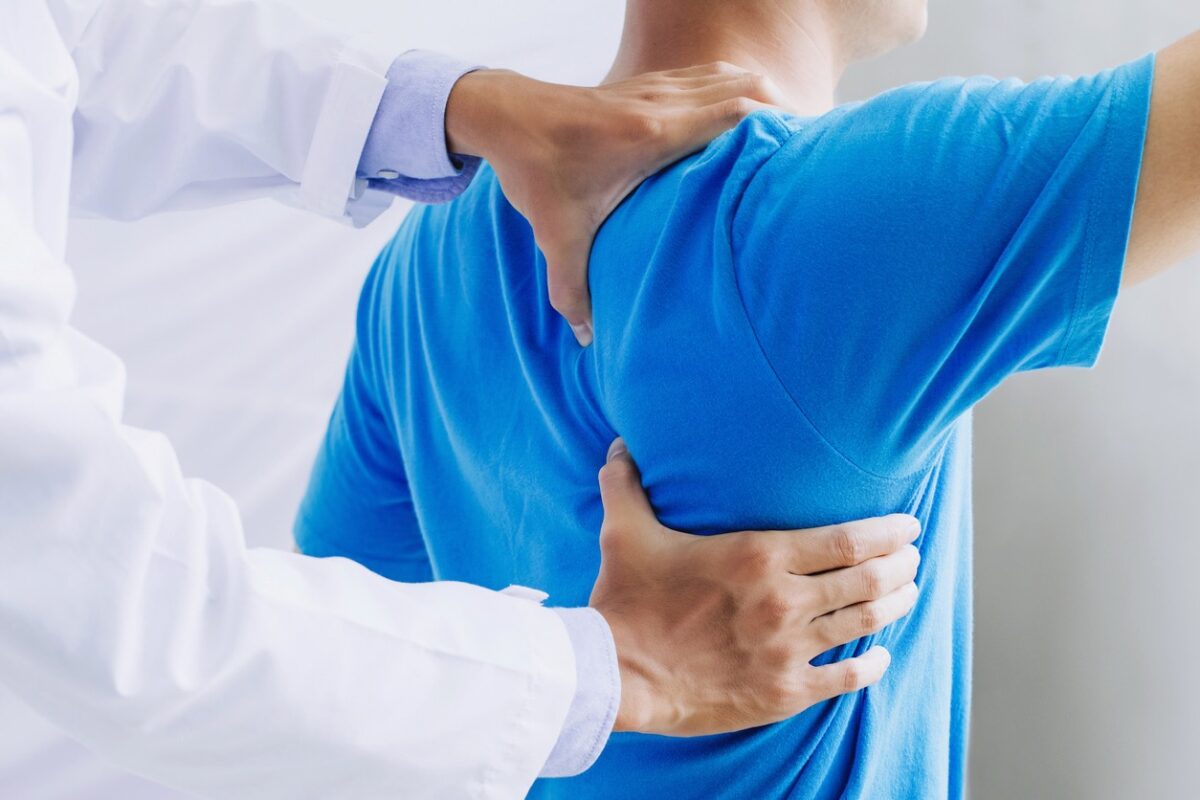
Shoulder pain that won’t go away, a clicking sensation when you move your arm, or a feeling that your shoulder might “give out” could be signs of a shoulder labral tear. While these injuries are common in athletes, they can also affect anyone after a fall, shoulder dislocation, or years of repetitive overhead activity. When Read More »

Rotator cuff injuries are one of the most common causes of shoulder pain and weakness. Whether the injury develops gradually over time or happens after a fall or lifting injury, it can make everyday activities like reaching overhead, getting dressed, carrying groceries, or sleeping comfortably much more difficult. Many patients assume that surgical repair fully Read More »
What Is Biological Rotator Cuff Repair and Augmentation? Biological rotator cuff repair is an advanced shoulder surgery technique that combines traditional rotator cuff repair with biologic augmentation designed to improve tendon healing and reinforce the repair. It is commonly used in larger, more complex tears where tendon quality is poor or the risk of re-tear Read More »
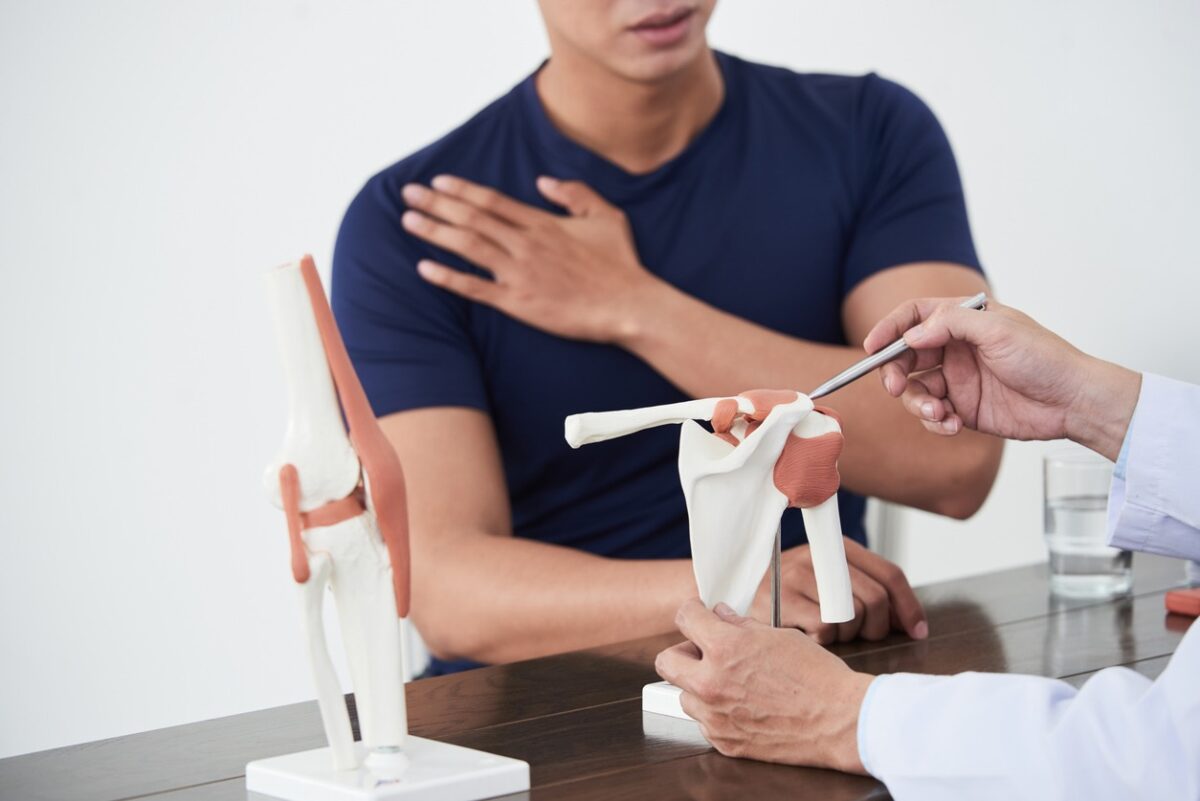
Shoulder pain can be especially limiting for athletes and active individuals, affecting performance, strength, and everyday function. When significant rotator cuff damage is present, traditional treatments may not provide enough relief. In these cases, reverse shoulder replacement can help restore movement, improve stability, and reduce pain. This guide explains how the procedure works, who it Read More »
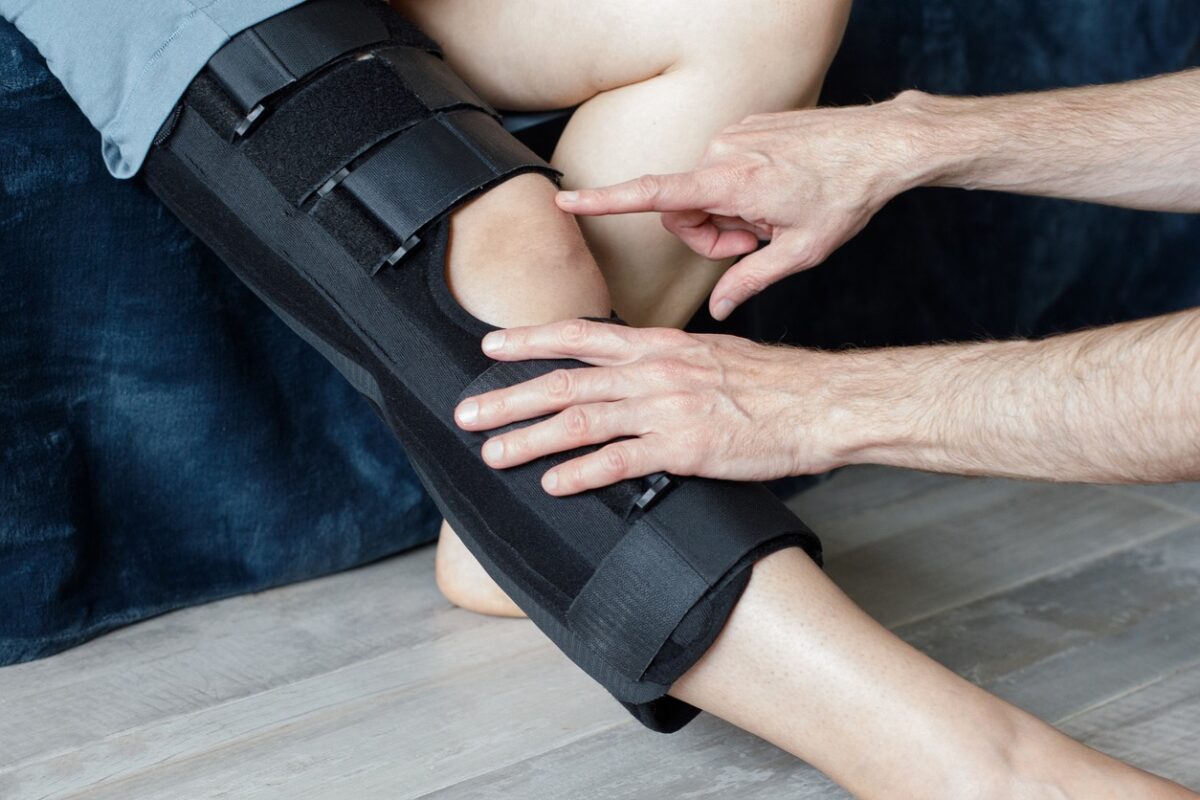
The meniscus is a C-shaped piece of cartilage in the knee that acts as a shock absorber, cushions the joint, and stabilizes movement. A torn meniscus is one of the most common knee injuries, especially in athletes or anyone who twists their knee suddenly. When this cartilage is damaged, treatment typically involves either removing the Read More »
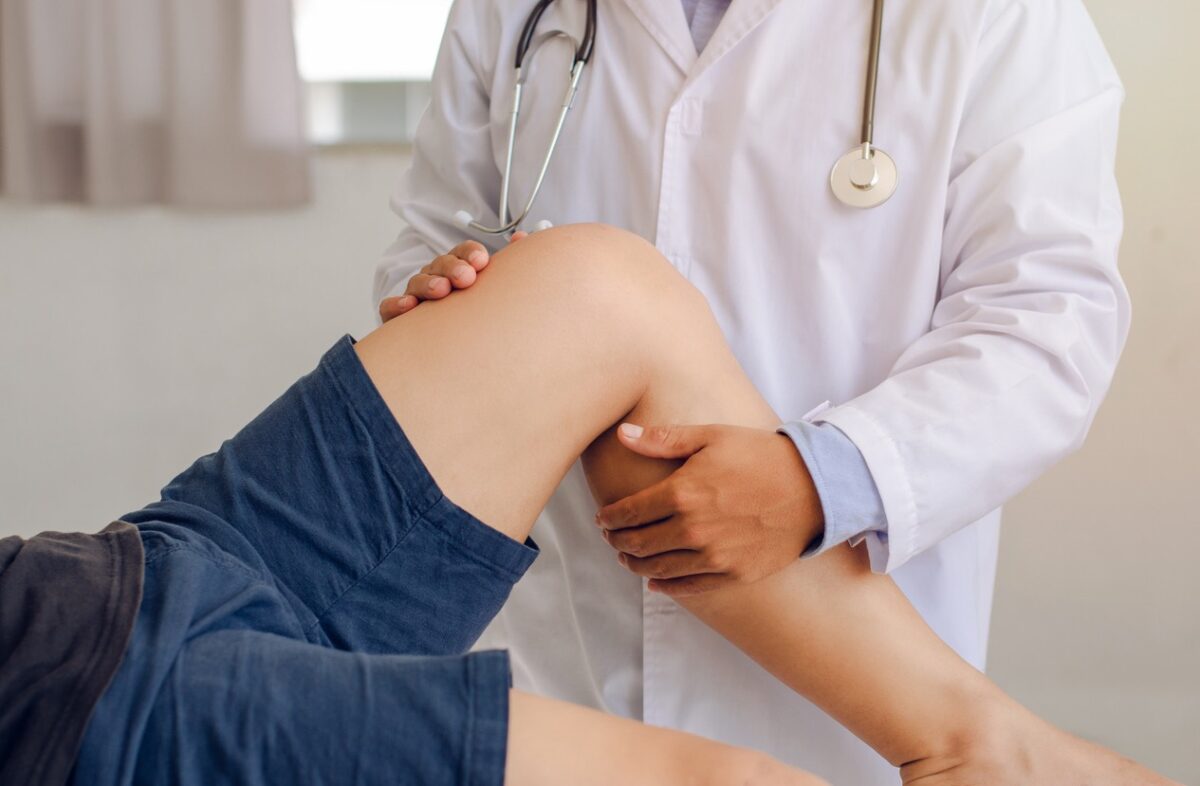
Knee pain can quickly go from a minor annoyance to a traumatic event. If your knee feels like it is “giving out,” slipping, or shifting unexpectedly, you may be dealing with a patellar dislocation or patellofemoral instability. This can affect anyone, but it’s especially common in athletes and active individuals. Left untreated, a single dislocation Read More »