
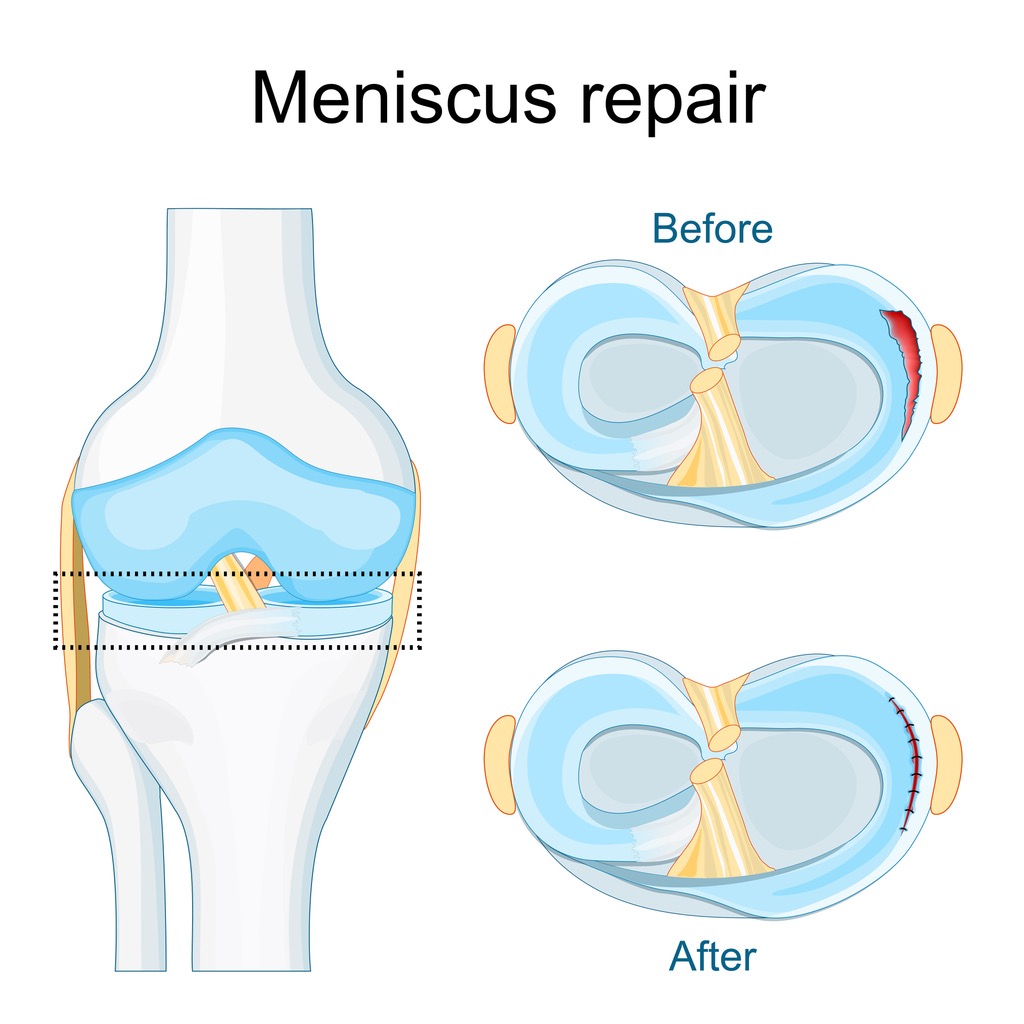
The meniscus is a C-shaped piece of cartilage in the knee that acts as a shock absorber, cushions the joint, and stabilizes movement. A torn meniscus is one of the most common knee injuries, especially in athletes or anyone who twists their knee suddenly. When this cartilage is damaged, treatment typically involves either removing the torn portion (meniscectomy) or repairing it (meniscal repair).
The difference matters. While meniscectomy can provide faster relief, meniscal repair focuses on preserving the knee’s natural structure, helping protect long-term joint health, and reducing the risk of arthritis.
Quick Answer: What Is Meniscal Repair?
Meniscal repair is a surgical procedure that stitches a torn meniscus back together.
The goal is to:
- Restore normal knee function.
- Maintain joint stability.
- Reduce friction and wear.
- Protect against future cartilage damage.
By preserving the meniscus, this approach supports long-term knee health rather than removing critical cushioning.
How the Meniscus Works
Each knee has two menisci:
- Medial meniscus (inner knee)
- Lateral meniscus (outer knee)
They act as shock absorbers between the thighbone (femur) and shinbone (tibia), helping distribute weight and stabilize movement.
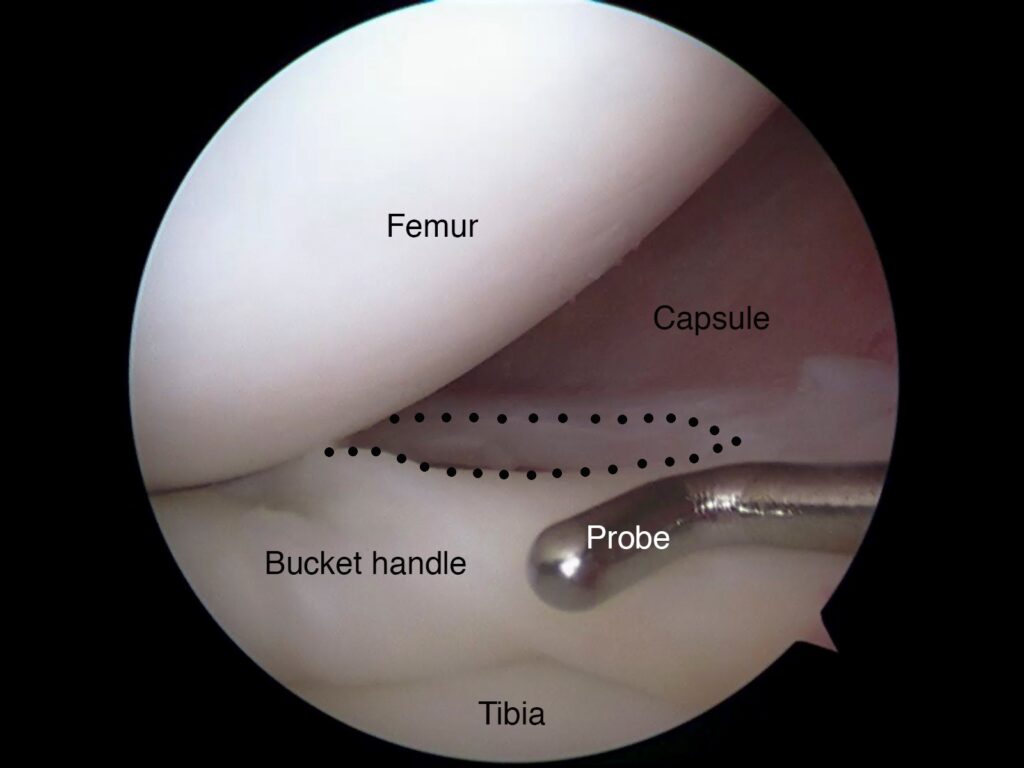
When the meniscus is torn, it can no longer protect the joint effectively. This often leads to pain, swelling, stiffness, and mechanical symptoms like catching or locking. Preserving this structure is key to maintaining proper knee mechanics over time.
What are the Symptoms of a Meniscus Tear?
Not every tear requires surgery, but certain symptoms may indicate a repair is beneficial:
- Persistent Knee Pain: Pain along the joint line that worsens with activity or twisting may signal a tear that needs attention.
- Swelling or Stiffness: Ongoing swelling or stiffness that does not improve with rest can indicate a significant meniscus injury.
- Catching or Locking: Some patients notice the knee catching, locking, or a sensation that it is giving out, which can interfere with daily activities.
- Limited Range of Motion: Difficulty fully bending or straightening the knee may suggest a tear that affects joint movement.
- Active or Younger Patients: In younger or highly active individuals, preserving the meniscus is critical for protecting cartilage and maintaining long-term knee health.
What are the Common Causes and Risk Factors?
Several factors can cause a meniscus tear and increase the likelihood of needing repair, including:
- Sudden twisting or pivoting movements
- Direct impact to the knee during sports or accidents
- Age and degeneration that weaken cartilage and the meniscus over time
- Pre-existing knee problems, such as ligament injuries or previous meniscus damage
Preserving the meniscus through repair is particularly important for younger patients and active individuals, as it helps protect the knee joint and maintain long-term function.
Meniscectomy vs. Meniscal Repair: What’s the Difference?
Meniscal repair and meniscectomy are two different ways to treat a torn meniscus and are often confused with one another. Choosing the best approach depends on factors like the tear’s location, size, your age, activity level, and overall knee health, which is why consulting an orthopedic specialist is essential to determine the most appropriate treatment for your situation.
- Meniscectomy: Removes the damaged portion of the meniscus, which can provide quicker relief and allow patients to return to activity sooner. The drawback is that removing meniscus tissue reduces cushioning in the knee, potentially increasing the risk of cartilage wear and arthritis over time.
- Meniscal Repair: Preserves the meniscus and helps maintain long-term joint stability, protecting the knee from future problems. Recovery takes longer, and success depends on the tear’s location, size, and severity.
What to Expect During Meniscal Repair Surgery
Meniscal repair is usually performed arthroscopically, using small incisions and a tiny camera to guide the surgeon. The torn edges of the meniscus are stitched together using specialized sutures, sometimes with additional anchors to secure the tissue. Patients are often under general or regional anesthesia during the procedure. Because the repair relies on the tissue healing properly, post-operative care includes limited weight-bearing activity, protection of the knee, and a carefully structured rehabilitation program.
Recovery Timeline and Rehabilitation
Recovering from meniscal repair requires careful rehabilitation to support proper healing. Patients may need to limit weight-bearing, use bracing tools or other supportive devices. Physical therapy focuses on restoring range of motion, strengthening the quadriceps, hamstrings, and surrounding muscles, improving balance and joint stability, and gradually returning to full activity.
Typical Recovery Timeline:
- Weeks 1–2: Limit weight-bearing using crutches or a knee brace. Perform gentle range-of-motion exercises to maintain flexibility, reduce stiffness, and control swelling with ice and elevation.
- Weeks 3–6: Gradually increase mobility and continue flexibility exercises. Begin light strengthening of the quadriceps, hamstrings, and surrounding muscles to support the knee joint and improve stability.
- Weeks 6–12: Progress to full weight-bearing as tolerated. Add balance and proprioception exercises to enhance knee control, and begin low-impact activities like cycling or swimming.
- Months 3–6: Introduce higher-impact exercises, functional training, and sports-specific drills. Most patients can return to moderate activities by month 4–5, while high-impact sports may take up to six months or longer, depending on the individual’s healing and rehabilitation progress.

How to Prevent Meniscus Injuries?
While not all injuries can be prevented, maintaining strong muscles, flexible joints, and proper knee alignment can reduce your risk:
- Strengthen quadriceps, hamstrings, and core muscles.
- Practice proper jumping, landing, and pivot techniques in sports.
- Maintain a healthy weight to reduce knee stress.
- Use supportive footwear.
- Avoid sudden changes in activity intensity.
Meniscal Care at Peter Howard, M.D.
If you experience persistent knee pain, catching, or instability following a meniscus injury, it is important to seek evaluation from an orthopedic specialist. At Peter Howard, M.D., we provide comprehensive assessments and create personalized treatment plans to repair and protect your meniscus, restore full knee function, and support long-term joint health. Early evaluation can make a meaningful difference in recovery and help you continue your daily activities and sports with confidence. Do not wait until knee problems interfere with your lifestyle. Schedule an appointment with Peter Howard, M.D. today.