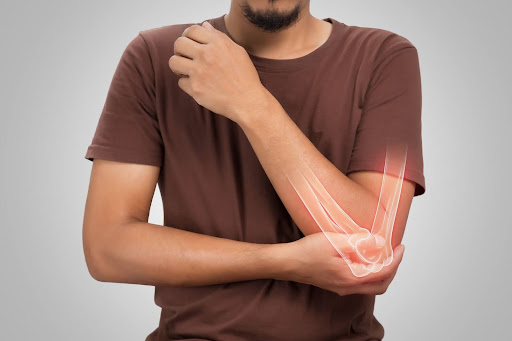

Shoulder pain that won’t go away, a clicking sensation when you move your arm, or a feeling that your shoulder might “give out” could be signs of a shoulder labral tear. While these injuries are common in athletes, they can also affect anyone after a fall, shoulder dislocation, or years of repetitive overhead activity.
When the labrum tears, everyday movements like reaching overhead, lifting groceries, or exercising can become painful and unstable. Because the symptoms often resemble a muscle strain or rotator cuff injury, many people delay treatment without realizing the underlying problem. Early diagnosis can help prevent worsening instability and expand your treatment options.
Quick Answer: What Is A Shoulder Labral Tear?
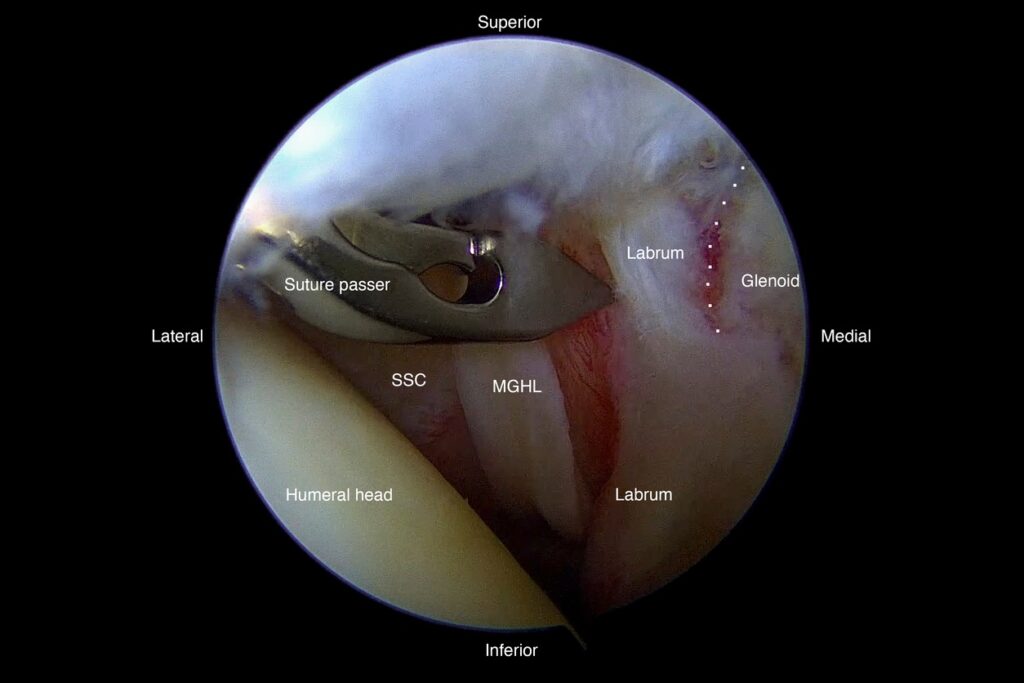
The labrum is a ring of cartilage that helps keep the ball of your shoulder securely positioned in its socket. A shoulder labral tear is an injury to the cartilage rim that helps stabilize the shoulder joint. When the labrum is damaged, the shoulder can become painful, unstable, and prone to clicking, catching, or slipping sensations. Treatment may include physical therapy, activity modification, or surgical repair, depending on the severity of the tear.

What Causes Shoulder Labral Tears?
Shoulder labral tears can develop from a sudden injury or a gradual stress on the shoulder over time. Common causes include:
- Falls or traumatic injuries: Landing on an outstretched arm, a hard impact, or a shoulder dislocation can tear the labrum.
- Repetitive overhead movement: Sports like baseball, tennis, swimming, volleyball, and weightlifting place repeated stress on the shoulder joint.
- Heavy lifting: Forceful pulling, pushing, or lifting can overload the shoulder and damage the labrum.
- Age-related wear: Over time, the labrum naturally becomes less resilient, making it more susceptible to tearing.
In many patients, the injury develops from years of repetitive stress before one movement or injury finally triggers symptoms.
What Are the Symptoms of a Shoulder Labral Tear?
While symptoms vary from person to person, common signs of a shoulder labral tear include:
- Deep Shoulder Pain: Aching or sharp discomfort felt inside the joint, especially with overhead movement or rotation.
- Shoulder Instability: A sense that the shoulder is loose, unreliable, or may slip out of place.
- Clicking or Catching: Grinding, popping, or catching sensations during certain arm movements.
- Pain with Activity: Discomfort during lifting, throwing, pushing, or reaching movements.
- Reduced Strength: Difficulty holding weight away from the body or maintaining overhead positions.
- Feeling Like You Can’t Trust Your Shoulder: Many people begin avoiding certain movements because the shoulder feels weak, unstable, or as though it could slip out of place.
Why Early Detection Matters
The labrum plays an important role in stabilizing the shoulder joint, and once it is injured, the joint can gradually become more unstable over time. Without treatment, labral tears may lead to more issues, including recurrent instability or dislocations, increasing pain with everyday activities, compensatory strain on surrounding muscles and tendons, and more complex treatment needs later on. Early diagnosis helps preserve more treatment options and can improve long-term shoulder function.
How Shoulder Labral Tears Are Diagnosed
Your orthopedic specialist will begin by discussing your symptoms, reviewing how the injury occurred, and examining your shoulder’s strength, range of motion, and stability. Certain physical exam maneuvers can help identify signs of a labral injury.
Imaging is often used to confirm the diagnosis. An MRI (Magnetic Resonance Imaging) provides detailed images of the shoulder’s soft tissues, while an MR arthrogram uses contrast dye to better highlight the labrum and is often the most accurate test for detecting tears.
Treatment Options For Shoulder Labral Tears
Treatment depends on the severity of the tear, the degree of instability, activity level, and overall shoulder function. Common treatment options include:
- Physical Therapy: Strengthens the rotator cuff and surrounding shoulder muscles to improve stability, reduce pain, and help compensate for a damaged labrum.
- Activity Modification: Limiting repetitive overhead motions, heavy lifting, or sports activities can help reduce irritation and prevent symptoms from worsening.
- Anti-Inflammatory Medications: Over-the-counter or prescription medications may help manage pain and inflammation during recovery.
- Injections: In some cases, corticosteroid injections may be used to reduce inflammation and provide temporary pain relief, allowing patients to participate more comfortably in rehabilitation.
- Arthroscopic Labral Repair: When symptoms persist or shoulder instability significantly affects daily activities, minimally invasive arthroscopic shoulder surgery may be recommended to reattach and stabilize the torn labrum.
How Long Does It Take to Recover?
Recovery depends on the severity of the tear and the treatment approach. For patients treated without surgery, symptoms often improve gradually over several weeks to months through physical therapy and rehabilitation.
After surgical repair, recovery follows a structured progression that begins with sling protection, followed by gradual restoration of motion through physical therapy and then strengthening as healing advances. Full recovery can take several months, and the goal throughout is consistent: restore stability, reduce pain, and protect long-term shoulder function.

When To Seek Professional Care
Evaluation is recommended if you experience persistent shoulder pain, repeated clicking or catching, a sense of instability, or difficulty with overhead or athletic activities. It is also important to be evaluated after a shoulder dislocation or injury, even if symptoms initially improve, since underlying labral damage may still be present. Early assessment helps prevent worsening instability and keeps treatment options broader and more effective.
Shoulder Labral Tear Care At Peter Howard, M.D.
If you are experiencing ongoing shoulder pain, instability, or mechanical symptoms such as clicking or catching, a thorough evaluation can help determine whether a labral tear is present and guide the most appropriate treatment approach. At Peter Howard, M.D., our care is focused on restoring stability, reducing pain, and helping patients return to normal activity with confidence. Treatment is tailored to each individual and may include physical therapy, structured rehabilitation programs, or surgical repair when needed. Schedule an appointment today to receive a personalized evaluation and treatment plan aimed at restoring shoulder stability, relieving pain, and protecting long-term function.