
A shoulder that repeatedly feels loose, partially shifts out of position, or gives way can be a sign of shoulder instability. A previous shoulder dislocation can damage the structures that stabilize the joint, making future dislocations more likely. Recurrent instability can interfere with sports, exercise, work, and everyday activities. Therefore, if you’re experiencing persistent shoulder instability, repeated dislocations, or a feeling that your shoulder may give way, an orthopedic evaluation can help identify the cause and guide treatment.
Quick Answer: What Is Shoulder Instability?
Shoulder instability occurs when the structures that keep the upper arm bone securely positioned in the shoulder socket are stretched, torn, or otherwise unable to provide enough support. It can develop after a dislocation, repetitive overhead activity, or an injury involving the labrum, ligaments, or bone. Treatment may include physical therapy, activity modification, bracing, or surgery when instability persists or significant structural damage is present.
Why Does Shoulder Instability Happen?
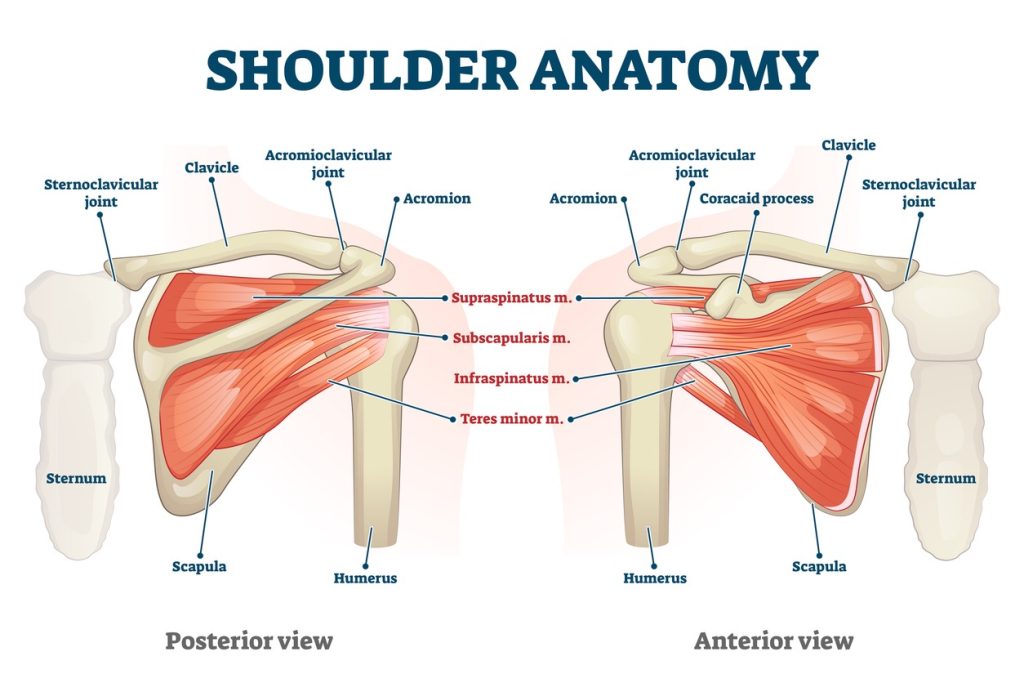
The shoulder’s wide range of motion also makes it vulnerable to instability. The labrum, ligaments, rotator cuff, surrounding muscles, and bones work together to keep the joint stable. When these structures are damaged or overstretched, the shoulder may partially or completely shift out of position. Common causes include:
- Previous Shoulder Dislocation: A dislocation can stretch or tear the labrum and ligaments, increasing the risk of another dislocation.
- Repetitive Overhead Activity: Frequent throwing, swimming, or other overhead movements can gradually stretch the tissues that support the shoulder.
- Labral Or Ligament Injuries: Damage to these structures can reduce the shoulder’s ability to remain stable during movement.
- Bone Loss: Repeated dislocations can damage the socket or upper arm bone, making the shoulder more difficult to stabilize.
- Loose Joints: Naturally flexible joints may be more prone to excessive movement and instability.
Signs Of Shoulder Instability
Shoulder instability does not always cause a complete dislocation. Common signs include:
- Feeling Of The Shoulder Shifting: The shoulder may feel as though it is moving out of position or partially shifting during certain movements, particularly when reaching, lifting, or rotating the arm.
- Repeated Dislocations: The shoulder may completely come out of the socket more than once, sometimes during activities that place stress on the joint.
- Pain: Discomfort may occur during movement, particularly after an injury or with overhead, throwing, or other demanding activities.
- Clicking Or Catching: Damage to the labrum or other stabilizing structures may cause clicking, catching, popping, or unusual sensations within the shoulder.
- Weakness Or Loss Of Confidence: The shoulder may feel weak, unstable, or unreliable, causing you to avoid certain movements because you are concerned it may give way.
Diagnosing Shoulder Instability
Diagnosis begins with a physical examination and discussion of previous injuries, dislocations, symptoms, and activity level. An orthopedic specialist will assess range of motion, strength, and shoulder stability. Imaging may also be recommended. X-rays can identify fractures, bone abnormalities, or bone loss, while magnetic resonance imaging (MRI) can evaluate the labrum, ligaments, rotator cuff, and other soft tissues. Computed tomography (CT) may provide a more detailed view of the shoulder bones after recurrent dislocations. These findings help identify the cause of instability and guide treatment.

Shoulder Instability Treatment Options
Treatment depends on the severity of instability, previous dislocations, structural damage, and activity goals. Common treatment options include:
- Physical Therapy: Targeted exercises strengthen the rotator cuff and surrounding muscles while improving range of motion, shoulder control, and joint stability.
- Activity Modification: Temporarily avoiding movements that trigger instability, such as certain overhead or throwing activities, can reduce stress on the shoulder while it heals.
- Bracing: A shoulder brace may provide additional support and help limit movements that increase the risk of instability during certain activities.
- Medications: Pain-relieving or anti-inflammatory medications may help manage pain and inflammation during recovery when appropriate.
- Surgical Stabilization: Surgery may be recommended when instability continues despite rehabilitation, the shoulder repeatedly dislocates, or significant damage to the supporting structures is present.
For some patients, non-surgical treatment can improve shoulder stability and allow them to return to normal activities. Athletes with recurrent instability or significant structural damage may require surgical treatment to restore stability.
When Is Surgery Recommended For Shoulder Instability?
Surgery may be considered when the shoulder repeatedly dislocates, remains unstable despite physical therapy, or has significant damage to the structures supporting the joint. It may also be appropriate for athletes involved in contact or high-demand sports. Surgical stabilization may be recommended for:
- Repeated shoulder dislocations or instability
- Significant labral or ligament damage
- Bone loss involving the shoulder socket or upper arm bone
- Persistent instability despite non-surgical treatment
- Athletes who need to return to high-demand activities
Arthroscopic stabilization can repair damaged soft tissues, while procedures addressing bone loss may be necessary when significant structural changes are present. The recommended approach depends on the cause of instability, the extent of damage, and the patient’s activity goals.
Recovery And Return To Activity
Recovery depends on the severity of instability and the treatment provided. Non-surgical treatment typically includes physical therapy to improve strength, range of motion, and shoulder control. Patients may gradually return to activities as stability and function improve.
After surgical stabilization, rehabilitation gradually progresses from protecting the repair to restoring motion, strength, and functional movement. Athletes may then advance to sport-specific exercises before returning to contact, overhead, or other high-demand activities. Following a structured rehabilitation program and addressing the underlying cause of instability can help reduce the risk of future episodes.
Frequently Asked Questions
Can shoulder instability heal without surgery? Yes. Some patients improve with physical therapy, activity modification, and other non-surgical treatments. Surgery may be considered when instability continues or significant structural damage is present.
Why does my shoulder keep dislocating? Repeated dislocations can occur when an earlier injury damages the labrum, ligaments, or bone that stabilizes the shoulder. Repetitive stress or naturally loose joints can also contribute.
Is shoulder instability the same as a dislocation? No. A dislocation occurs when the shoulder completely comes out of its socket. Instability describes a shoulder that moves excessively, partially shifts out of position, or repeatedly dislocates.
Can I play sports with shoulder instability? Some people can remain active with appropriate treatment and rehabilitation. Contact, throwing, and overhead activities may increase the risk of another instability episode, so athletes should follow their specialist’s recommendations before returning to sports.
Does every shoulder dislocation lead to shoulder instability? No. Some people recover fully after a first-time dislocation. The risk of recurrent instability depends on factors such as age, activity level, injury severity, and damage to the supporting structures.

When To Seek Professional Care
If your shoulder repeatedly feels loose, shifts out of position, or has dislocated more than once, an orthopedic evaluation can help determine whether underlying damage is contributing to the instability. Persistent pain, weakness, or difficulty participating in sports and daily activities should also be evaluated. Dr. Howard combines sports medicine experience with current surgical techniques to develop individualized treatment plans based on each patient’s injury, activity level, and goals.
Shoulder Instability Care At Peter Howard, M.D.
Recurrent shoulder instability can make everyday activities, exercise, and sports more difficult. At Peter Howard, M.D., treatment is tailored to each patient and may include physical therapy, activity modification, or surgical stabilization when appropriate. The goal is to restore shoulder stability, reduce pain, and help patients safely return to the activities they enjoy. Schedule an appointment with Peter Howard, M.D., today to learn more about your shoulder instability treatment options.