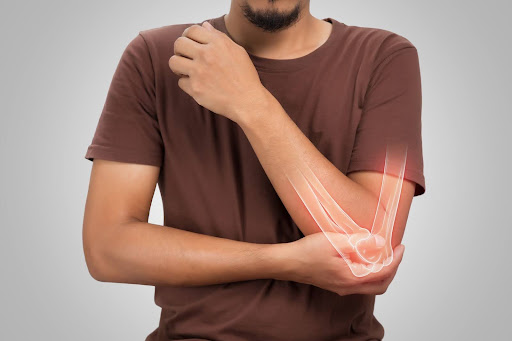

You’ve been making progress in the gym, but lately bench presses leave the top of your shoulder aching. Taking a few days off helps, then the discomfort returns when you start lifting again. Is it a technique issue, ordinary soreness, or an injury that needs attention?
Pain near the end of the collarbone can be a sign of weightlifter’s shoulder. Understanding what causes it and how it is treated can help you make useful changes to your training before the discomfort starts affecting everyday activities.
Quick Answer: What Is Weightlifter’s Shoulder?
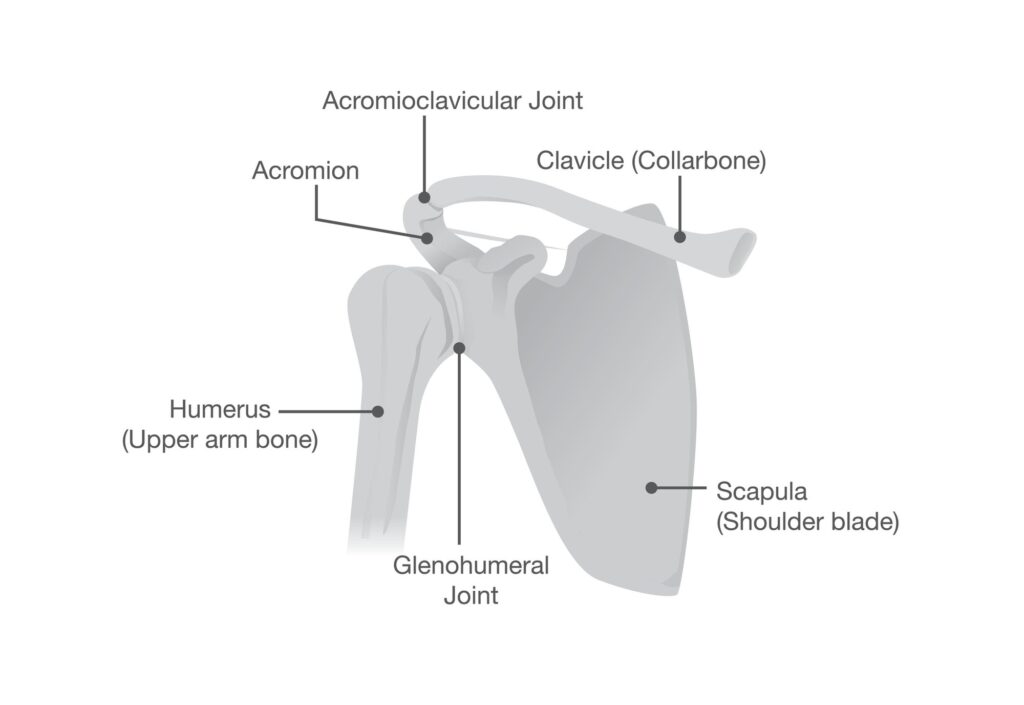
Weightlifter’s shoulder, also called distal clavicle osteolysis, is a condition in which bone at the outer end of the collarbone gradually breaks down. It affects the acromioclavicular, or AC, joint, where the collarbone meets the shoulder blade. Repeated stress from lifting can cause small injuries to this area, leading to pain and tenderness at the top of the shoulder. Treatment usually begins with activity modification and rehabilitation, although injections or surgery may be considered when symptoms persist.
Why Does Weightlifting Cause It?
The AC joint handles forces as you press, push, and move your arm across your body. Repeatedly loading it without enough recovery can contribute to damage at the end of the collarbone.
Activities commonly associated with symptoms include:
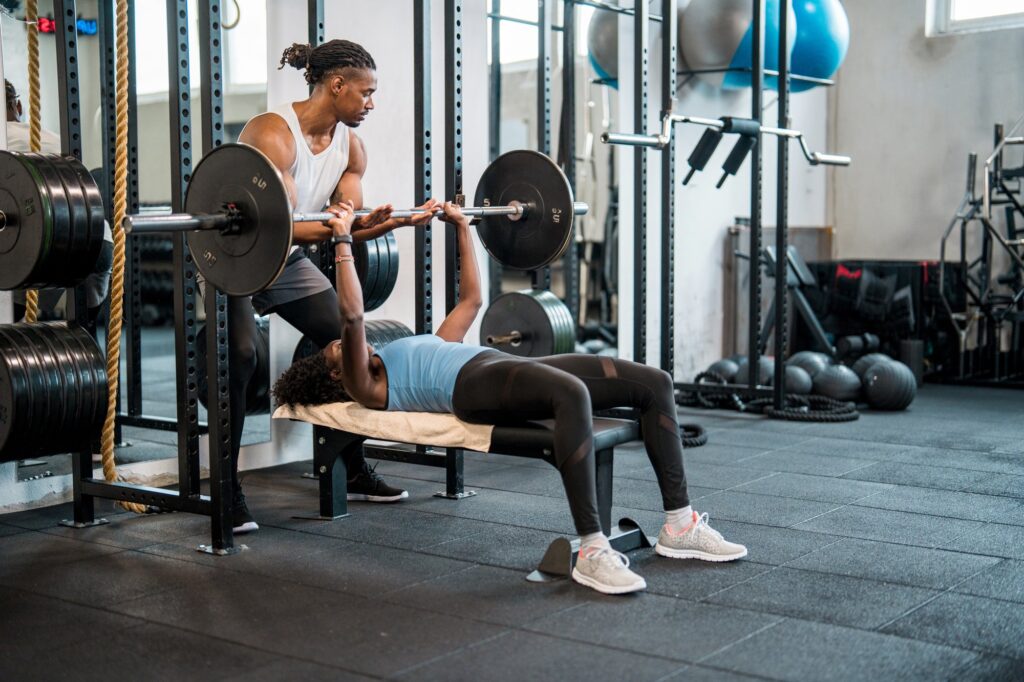
- Bench Pressing: Heavy or frequent pressing can place substantial stress on the AC joint.
- Overhead Lifting: Repeated overhead presses and similar movements may aggravate the area.
- Other Shoulder-Loading Activities: Exercises such as push-ups can also become uncomfortable.
Can You Get It Without Lifting Weights?
Yes. Weightlifter’s shoulder can also develop from other activities or an earlier injury. Examples include:
- Overhead Sports: Repeated movements in volleyball, tennis, or swimming can place stress on the AC joint.
- Physically Demanding Work: Repeated lifting or overhead tasks may contribute to similar stress.
- A Previous Shoulder Injury: A fall or direct impact can damage the AC joint, with bone changes developing afterward.
Your activity and injury history help your specialist determine whether distal clavicle osteolysis or another shoulder condition is causing the pain.
What Does Weightlifter’s Shoulder Feel Like?
Symptoms often start as an ache after a workout. Over time, you may notice discomfort during exercises that previously felt fine.
Common signs include:
- Pain At The Top Of The Shoulder: Discomfort near the outer end of the collarbone.
- Tenderness Over The AC Joint: The area may hurt when touched or pressed.
- Pain With Pressing: Bench presses, push-ups, or other pushing movements bring on symptoms.
- Discomfort Reaching Across Your Body: Movements such as reaching toward the opposite shoulder may hurt.
- A Recurring Ache: Rest helps, but the same discomfort returns when you resume the aggravating activity.
The location of pain offers a clue, but it cannot confirm the diagnosis. Several shoulder conditions can make lifting uncomfortable.
How Is It Different From Other Shoulder Problems?
Pain during lifting does not always mean you have weightlifter’s shoulder. Other conditions can cause similar discomfort, but they affect different parts of the shoulder:
- AC Joint Arthritis: Arthritis in the AC joint involves wear of the cartilage, while distal clavicle osteolysis involves breakdown of bone at the end of the collarbone.
- Rotator Cuff Injuries: These affect the tendons that help lift and rotate your arm.
- Shoulder Separation: This involves damage to the ligaments supporting the AC joint, often after a fall or direct impact.
An examination can help identify where the pain is coming from and which treatment is appropriate.
What Happens During An Evaluation?
Your orthopedic specialist will ask which exercises hurt, how long symptoms have been present, and whether you have changed your training. The examination includes checking tenderness, shoulder movement, and strength.
X-rays may show changes at the end of the collarbone. If the findings are unclear or another injury is suspected, an MRI may help evaluate the bone and surrounding tissues. In some cases, an injection into the AC joint helps determine whether that joint is the source of pain.
How Is Weightlifter’s Shoulder Treated?
Initial treatment focuses on reducing stress on the joint while keeping the shoulder functioning well. Options may include:

- Activity Modification: Pause or adjust exercises that trigger symptoms. Simply lowering the weight may not be enough if the movement still hurts.
- Physical Therapy: Physical therapy can address shoulder strength, flexibility, and mechanics based on your examination.
- Ice And Medications: Wrapped cold packs and appropriate pain-relieving or anti-inflammatory medications may help manage discomfort.
- An AC Joint Injection: A corticosteroid injection may provide relief when symptoms continue despite initial treatment.
Relieving pain does not automatically mean the shoulder is ready for heavy lifting. Your treatment plan should also address how you will return to training without repeatedly irritating the joint.
When Is Surgery Recommended?
Surgery may be considered when nonsurgical treatment does not provide enough relief and pain continues to limit work, exercise, or daily activities.
The procedure, called distal clavicle excision or resection, removes a small portion of the collarbone’s outer end to reduce painful contact within the joint. It can often be performed through arthroscopic shoulder surgery. The decision depends on confirming the source of pain and discussing your treatment goals.
When Can You Lift Again?
Recovery depends on how long symptoms have been present, the treatment used, and the demands of your workouts.
- With Nonsurgical Treatment: Plan for recovery over weeks to months rather than a few days off. There is no reliable single average for returning to heavy lifting. If symptoms are not improving after 2 to 6 weeks of treatment, follow up so your plan can be reassessed.
- After Surgery: In one study of patients having isolated arthroscopic distal clavicle excision, return to sport averaged approximately 3 months, with considerable variation. That is a useful planning estimate, but it does not specifically establish when maximal weightlifting is safe. Additional shoulder procedures can extend recovery.
Everyone returns to lifting at a different pace, so be sure to follow your specialist’s guidance. Once you are cleared to restart, begin with lighter weights and increase gradually. Pay attention to how your shoulder feels during and after each workout, and scale back if pain returns.
Frequently Asked Questions
Do I need to stop all exercise?
Not necessarily. You may be able to continue activities that do not stress the painful joint. Your specialist or physical therapist can help you choose suitable alternatives.
Will changing my bench press technique help?
It may. Adjusting grip width or limiting depth can reduce AC joint loading for some lifters, but technique changes should be individualized.
Does weightlifter’s shoulder always require surgery?
No. Activity modification and rehabilitation are the starting point for treatment. Surgery is considered when those measures do not adequately control symptoms.
Weightlifter’s Shoulder Care At Peter Howard, M.D.
Weightlifter’s shoulder can limit your workouts and make everyday pushing, lifting, or reaching uncomfortable. At Peter Howard, M.D., we care for patients in Palm Harbor and New Port Richey, serving communities throughout Pinellas and Pasco counties. Treatment is tailored to each patient and may include activity modification, rehabilitation, injections, or distal clavicle excision when appropriate. The goal is to reduce pain, improve shoulder function, and help patients safely return to the activities they enjoy. Schedule an appointment with Peter Howard, M.D., today to learn more about your weightlifter’s shoulder treatment options.