
A sudden twist, awkward landing, or change in direction can cause sharp knee pain that immediately brings activity to a stop. In some cases, the injury may be an anterior cruciate ligament (ACL) tear, one of the more common serious knee injuries among athletes and active adults.
ACL tears can cause pain, swelling, instability, and difficulty putting weight on the leg. Some injuries can improve with non-surgical treatment, while complete tears or injuries affecting athletic performance may require surgery. Understanding why ACL tears happen and how they are treated can help patients make informed decisions about recovery.
Quick Answer: What Is An ACL Tear?
An ACL tear is an injury to the anterior cruciate ligament, one of the major ligaments that stabilizes the knee. Tears commonly occur during sudden changes in direction, awkward landings, or sports involving pivoting and rapid movements. Treatment may include physical therapy, activity modification, bracing, or ACL reconstruction surgery, depending on the severity of the injury and the patient’s goals.
What Does The ACL Do?
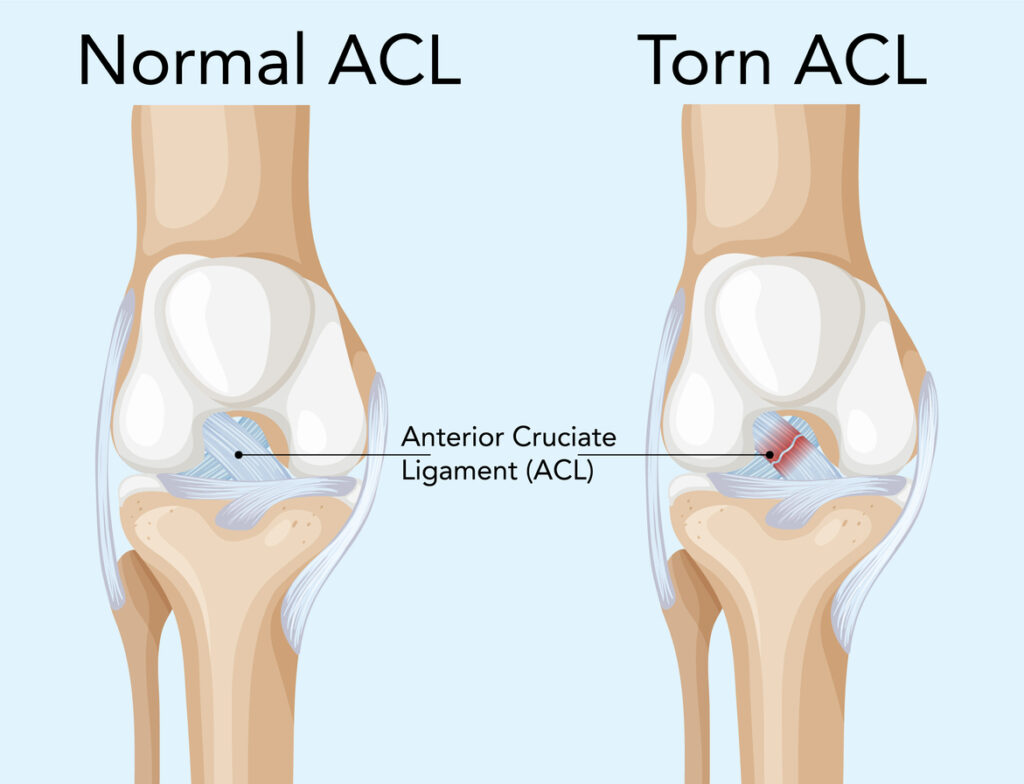
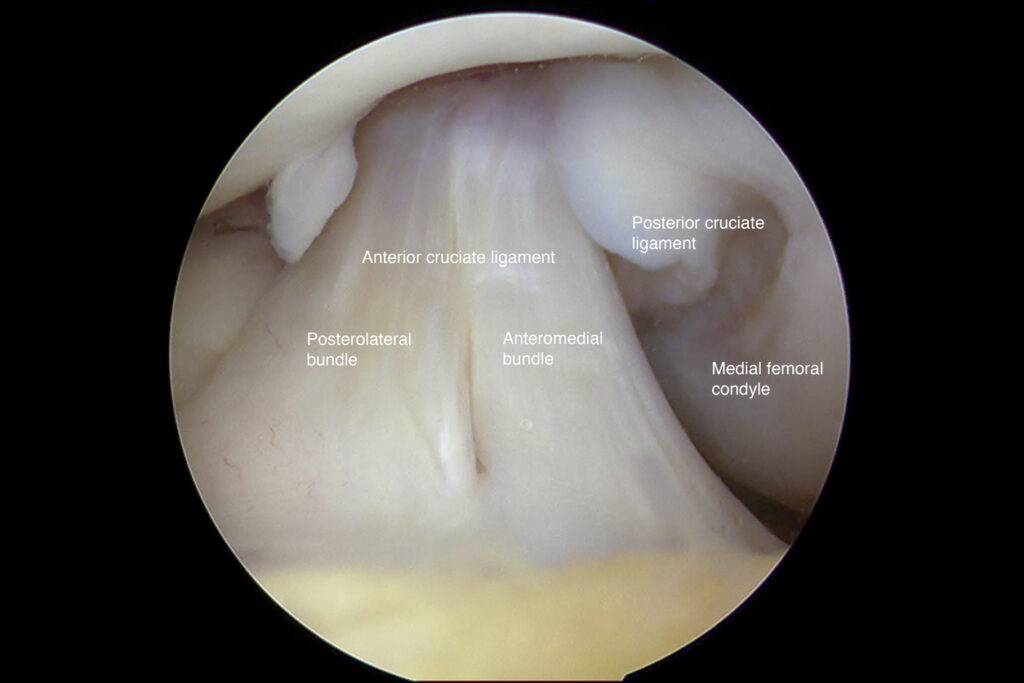
The anterior cruciate ligament connects the thighbone to the shinbone and helps stabilize the knee during movement. It limits excessive forward movement of the shinbone and helps control rotation. When the ACL is torn, the knee may feel unstable, particularly during pivoting or cutting. ACL injuries can also occur alongside damage to the meniscus, cartilage, or other knee ligaments.
Why Do ACL Tears Happen?
ACL tears can result from a non-contact movement or direct impact. Many injuries occur when the foot is planted while the body suddenly changes direction. Common causes include:
- Sudden Direction Changes: Cutting, pivoting, or stopping quickly can place significant stress on the ACL.
- Awkward Landings: Landing from a jump with poor alignment or excessive force can cause the ligament to tear.
- Sudden Deceleration: Stopping rapidly while running can put the knee in a vulnerable position.
- Direct Impact: A collision or blow to the knee can force the joint beyond its normal range of motion.
- Sports Injuries: Football, soccer, basketball, skiing, and other sports involving jumping and rapid changes in direction carry a higher risk.
Signs And Symptoms Of An ACL Tear
Signs and symptoms may appear immediately after an injury or become more noticeable as swelling develops. Common signs include:
- A Popping Sensation: Some people hear or feel a pop when the ACL tears, although a popping sensation does not always indicate an ACL injury.
- Rapid Swelling: The knee may swell within several hours of the injury.
- Knee Pain: Pain may make it difficult to put weight on the affected leg or continue the activity.
- Knee Instability: The knee may feel loose, buckle, or give way during walking or movement.
- Limited Motion: Swelling and pain can make it difficult to fully bend or straighten the knee.
Diagnosing An ACL Tear
Diagnosis begins with a physical examination and discussion of how the injury occurred. Your orthopedic specialist will assess swelling, range of motion, stability, and tenderness and may perform specific tests to evaluate the ACL. Imaging may also be recommended. X-rays can rule out fractures or other bone abnormalities, while magnetic resonance imaging (MRI) provides detailed images of the ACL and other soft tissues. MRI can also identify associated injuries involving the meniscus, cartilage, or other ligaments. These findings help determine the severity of the injury and guide treatment.
ACL Tear Treatment Options
Treatment depends on the type of tear, knee stability, activity level, and recovery goals. Not every ACL tear requires surgery. Common treatment options include:
- Physical Therapy: Exercises can reduce swelling, restore motion, rebuild strength, and improve knee stability.
- Activity Modification: Temporarily avoiding running, jumping, pivoting, and other movements that cause instability can protect the knee.
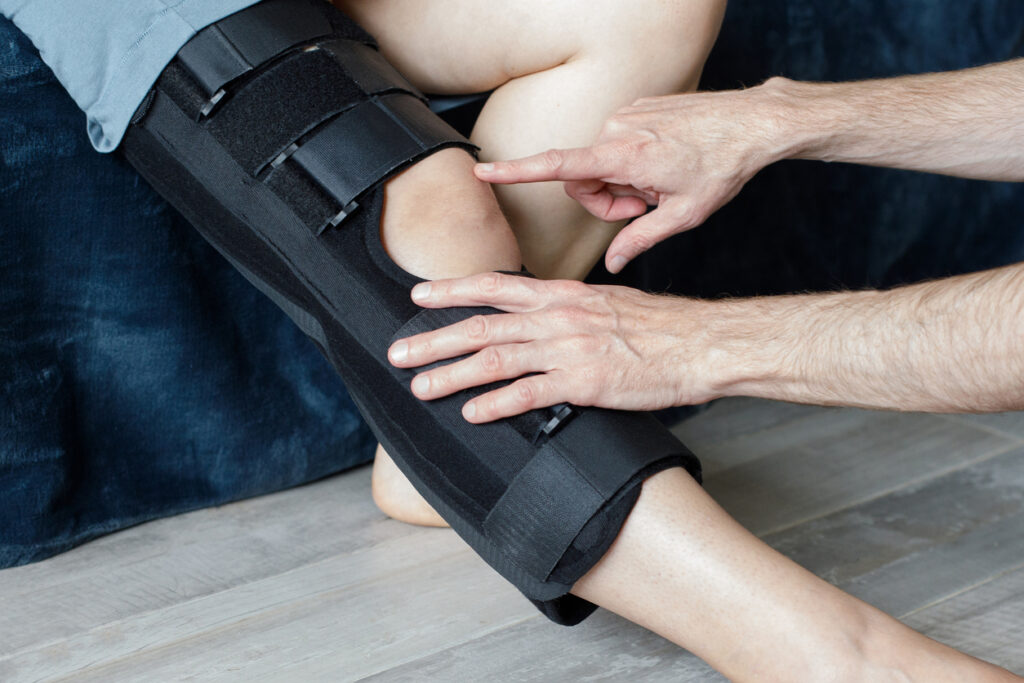
- Bracing: A knee brace may provide additional support for some patients, particularly those receiving non-surgical treatment.
- Medications: Anti-inflammatory or pain-relieving medications may help manage discomfort and swelling when appropriate.
- ACL Reconstruction: Surgery may be recommended for complete tears, significant instability, or patients who want to return to high-demand sports.
When Is ACL Surgery Recommended?
ACL reconstruction may be considered when the knee remains unstable, the patient wants to return to pivoting sports, or the injury involves other structures within the knee. Surgery may be recommended for patients with:
- Persistent knee instability or repeated episodes of giving way
- A complete ACL tear with significant functional instability
- Associated meniscus, cartilage, or ligament injuries
- A desire to return to high-demand sports or activities
- Symptoms that interfere with work, exercise, or daily activities
ACL reconstruction typically uses a tendon graft to create a new ligament and restore knee stability. The surgical approach depends on the patient’s injury, anatomy, activity level, and goals.
Recovery And Rehabilitation
Recovery varies depending on the treatment approach. Patients receiving non-surgical care may gradually return to normal activities as strength, stability, and motion improve.
After ACL reconstruction, rehabilitation progresses from controlling swelling and restoring motion to strengthening, balance, running, and sport-specific exercises. Returning to sports generally takes several months and depends on healing, strength, stability, and functional testing.
Frequently Asked Questions
Can you walk with a torn ACL? Yes. Some people can walk after an ACL tear, particularly once initial swelling and pain improve. However, instability may become more noticeable during running, pivoting, or other demanding activities.
What sports are most likely to cause ACL tears? Sports involving cutting, jumping, sudden stops, and changes in direction carry a higher risk. Common examples include soccer, basketball, football, skiing, and volleyball.
Is ACL surgery always necessary? No. Some patients can manage an ACL injury with physical therapy, activity modification, and other non-surgical treatments. Surgery is more commonly considered when instability persists or a patient wants to return to high-demand sports.
How long does ACL reconstruction recovery take? Recovery typically takes several months and progresses through stages of motion, strengthening, balance, and sport-specific rehabilitation. The timeline varies by patient.
Can an ACL tear cause long-term problems? An unstable knee can place additional stress on other structures within the joint. Appropriate treatment and rehabilitation can help restore stability and reduce the risk of further injury.
When To Seek Professional Care
If you experience a popping sensation, rapid swelling, persistent knee pain, or a feeling that your knee is giving way after an injury, an orthopedic evaluation can help determine whether an ACL tear or another knee injury is responsible. Early assessment can help guide treatment and support a safe return to activity. With experience in sports medicine and advanced orthopedic treatment approaches, Dr. Peter Howard provides individualized care based on each patient’s injury, activity level, and recovery goals.
ACL Tear Treatment At Peter Howard, M.D.
If you have experienced a knee injury and are dealing with pain, swelling, or instability, a thorough evaluation can help identify the injury and determine the appropriate treatment. At Peter Howard, M.D., our sports medicine care focuses on restoring stability, improving function, and helping patients return to the activities they enjoy. Treatment is tailored to each patient and may include physical therapy, activity modification, bracing, or ACL reconstruction when appropriate. Schedule an appointment with Peter Howard, M.D., today to learn more about your ACL tear treatment options.