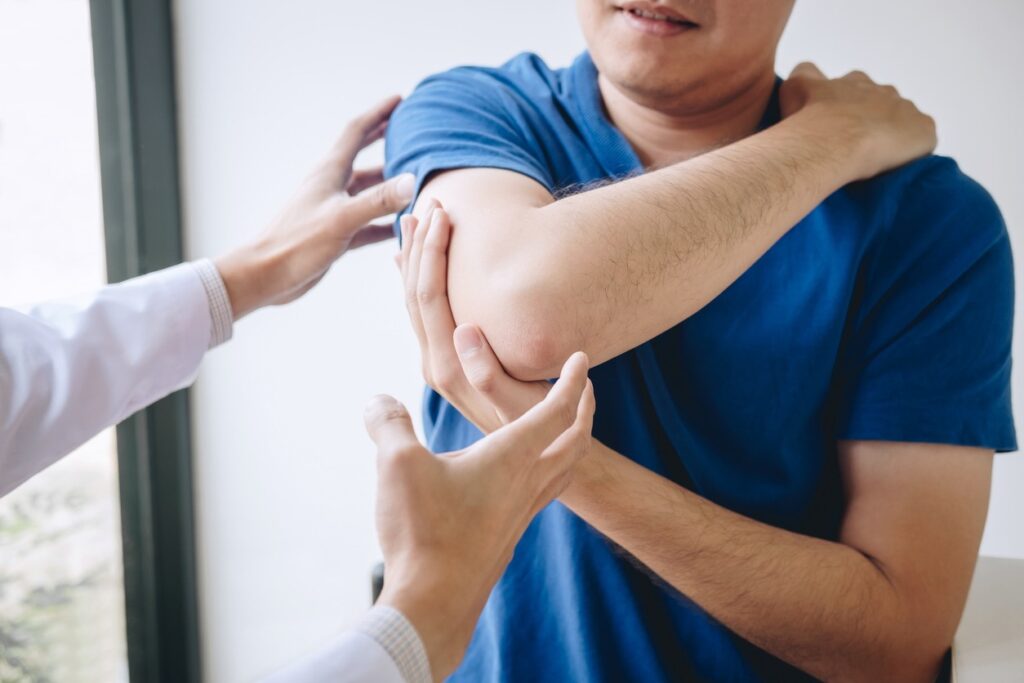

Rotator cuff injuries are one of the most common causes of shoulder pain and weakness. Whether the injury develops gradually over time or happens after a fall or lifting injury, it can make everyday activities like reaching overhead, getting dressed, carrying groceries, or sleeping comfortably much more difficult.
Many patients assume that surgical repair fully restores shoulder function. However, long-term recovery depends not only on reattaching the tendon, but also on how effectively it heals back into the bone. Understanding why tendon-to-bone healing matters can help patients better understand their treatment options and recovery expectations.
Quick Answer: Why Won’t Some Rotator Cuff Tears Heal Properly?
A rotator cuff tear may not heal properly when the tendon does not fully reattach to the bone in a strong, durable way. This attachment site, called the enthesis, is essential for normal shoulder function. When healing is incomplete, the body may form scar tissue instead of restoring normal tendon structure, which can lead to persistent pain, weakness, or re-tearing.
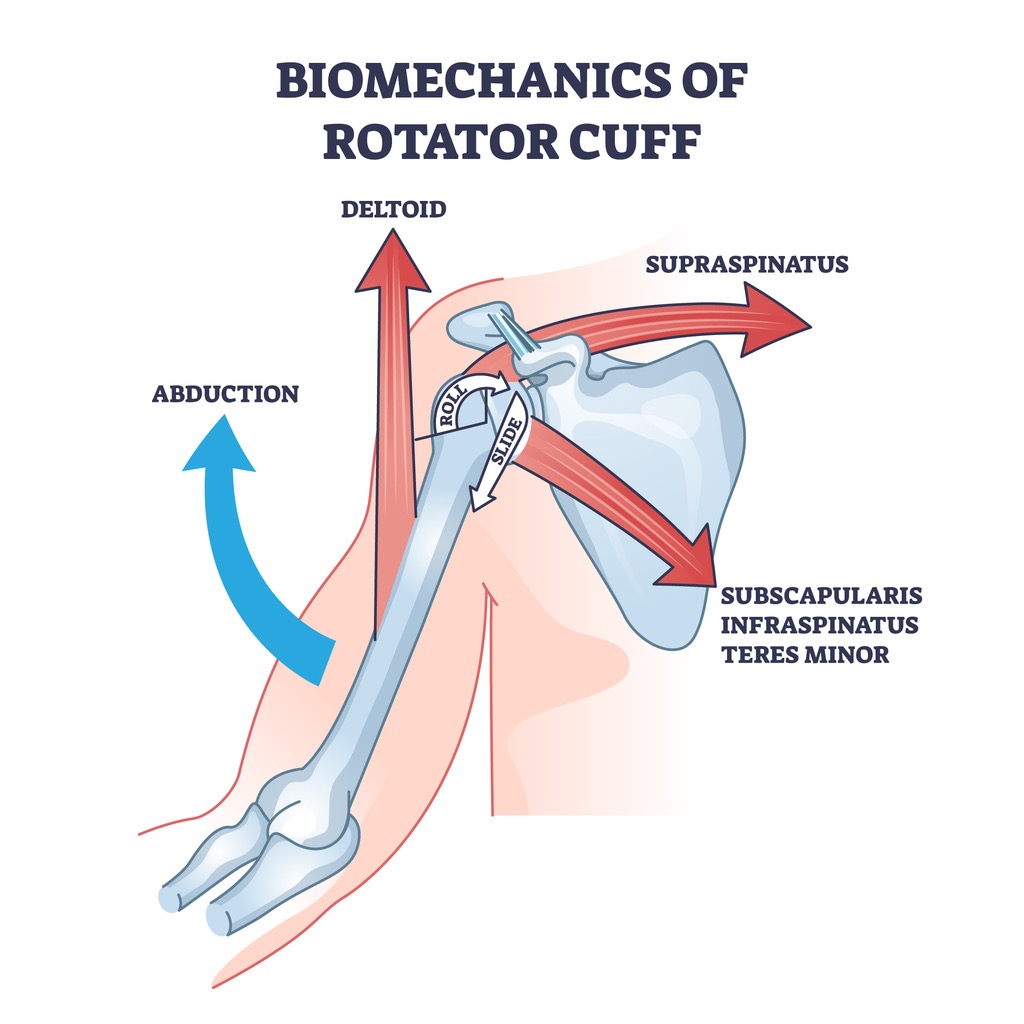
Common Causes of Rotator Cuff Tears and Ongoing Pain
Rotator cuff injuries typically develop over time due to cumulative stress on the shoulder:
- Repetitive overhead activity such as lifting, painting, or sports
- Sudden injury from a fall or heavy lifting
- Age-related tendon wear and degeneration
- Sports including tennis, baseball, swimming, or golf
- Chronic shoulder impingement or inflammation
These factors can gradually weaken the tendon and lead to partial or full tears.
Symptoms of Rotator Cuff Tears
Rotator cuff injuries often begin gradually and worsen over time. Common symptoms include:
- Shoulder Pain With Movement: Persistent aching or sharp pain during arm use
- Pain With Overhead Reach: Discomfort when lifting, dressing, or reaching overhead
- Weakness With Lifting: Difficulty carrying or holding objects due to reduced strength
- Night Pain: Shoulder discomfort that worsens when lying on the affected side
- Clicking Or Catching: Sensation of movement or catching within the shoulder
- Limited Range Of Motion: Stiffness or difficulty fully raising or rotating the arm
Why Tendon-to-Bone Healing Is Critical
When surgeons repair a rotator cuff tear, they reattach the tendon to the bone. But simply holding the tendon in place isn’t enough. The body still has to rebuild the natural connection between the tendon and bone as it heals.
This connection is called the enthesis, and it’s one of the most important parts of a successful rotator cuff repair. A healthy enthesis allows the shoulder to transfer force efficiently while absorbing the stress created during everyday movement.
The challenge is that the body often heals this area with scar tissue instead of recreating the original attachment. While scar tissue can hold the tendon in place, it isn’t as strong or durable as a healthy enthesis, increasing the risk of ongoing pain or re-tearing.
Why Rotator Cuff Healing Can Be Difficult
Several biological and mechanical factors make shoulder tendon healing complex:
- Limited Blood Supply: Tendons receive less circulation, slowing healing
- Constant Movement: The shoulder remains active throughout daily use
- Age-Related Degeneration: Tendons lose elasticity and become more prone to wear and degeneration over time
- Large or Chronic Tears: Long-standing injuries often involve tendon retraction and tissue weakness
These factors can make it difficult for the body to fully restore a strong tendon attachment.
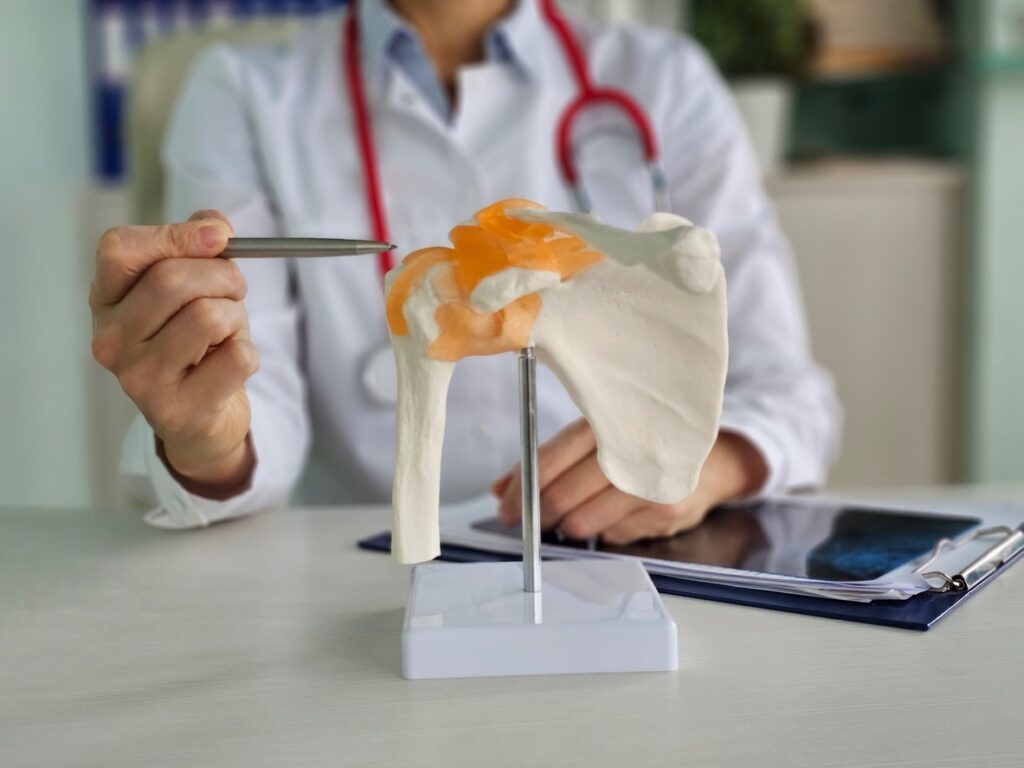
Advances in Rotator Cuff Repair
Modern orthopedic treatment is increasingly focused on improving biologic healing in addition to mechanical repair. This includes the use of biologic materials and techniques that support the body’s natural healing response and promote tissue recovery at the injury site.
EnFix® From Tetrous
EnFix® by Tetrous is a demineralized bone fiber implant designed to support healing where the rotator cuff tendon reattaches to the bone. Demineralized bone fiber is processed bone tissue with its mineral content removed, leaving behind a collagen-rich framework that supports the body’s natural healing process.
Unlike reinforcement methods that sit on top of the tendon, EnFix® is placed directly at the attachment site, where the tendon and bone heal together. Its intended role is to:
- Support regeneration of a functional enthesis
- Promote biologic integration between the tendon and bone
- Reduce reliance on scar tissue during healing
- Support structural continuity at the repair site
MRI findings have shown tendon growth into the underlying bone in some cases, suggesting a more natural connection between the tendon and bone as healing progresses.
Onlay Patch Reinforcement vs. EnFix®
Some rotator cuff repairs use onlay patches, which are placed over the repaired tendon. Onlay patches assist in:
- Providing external reinforcement
- Sitting over the surface of the tendon
- Helping reduce mechanical strain during healing
However, they do not directly address healing at the tendon-bone connection.
Non-Surgical Treatment Options
Many rotator cuff injuries improve without surgery, depending on severity. Common treatment options include:
- Physical Therapy: Improves shoulder strength, stability, and mechanics
- Activity Modification: Reduces repetitive stress on the tendon
- Anti-Inflammatory Medications: Help manage pain and swelling
- Shockwave Therapy: Shockwave therapy is a non-surgical treatment that may help stimulate the body’s natural healing response in certain chronic tendon conditions.
- Corticosteroid Injections: Help reduce inflammation and provide short-term pain relief
When to Seek Evaluation
Evaluation by a specialist is recommended if shoulder pain persists for more than a few weeks, if there is ongoing weakness when lifting or reaching, if pain interferes with sleep, or if stiffness limits daily activity. It is also important to seek evaluation if symptoms do not improve with rest or conservative care, as early diagnosis can expand treatment options and help prevent further tendon damage. In certain cases, particularly when a prior rotator cuff repair has not fully healed or has failed, revision surgery may be necessary to restore function and improve pain.
Recovery and Healing Expectations
Recovery depends on the severity of the injury and treatment approach. With non-surgical care, improvement typically occurs gradually over several weeks to months with consistent physical therapy and activity modification.
After surgical repair, recovery is more structured and may include sling protection followed by progressive rehabilitation. Full recovery can take several months, and tendon-to-bone healing continues well beyond the initial recovery period.

Rotator Cuff Care at Peter Howard, M.D.
If you are experiencing persistent shoulder pain, weakness, or difficulty with daily activities, a thorough evaluation can help identify the underlying cause and guide the right treatment approach. At Peter Howard, M.D., we take a personalized approach to care, focusing on both symptom relief and long-term shoulder function. Treatment is tailored to each patient and may include non-surgical options such as physical therapy or shockwave therapy for chronic tendon pain, as well as advanced surgical techniques when needed. In appropriate cases, biologic strategies to support tendon-to-bone healing, including EnFix®, are used to help improve the quality of the repair at the attachment site. Schedule an appointment today to determine the cause of your symptoms and the most appropriate treatment plan. Our goal is to reduce pain, restore shoulder strength and mobility, and help you return to daily activities with greater comfort and confidence.