
What Is Biological Rotator Cuff Repair and Augmentation?
Biological rotator cuff repair is an advanced shoulder surgery technique that combines traditional rotator cuff repair with biologic augmentation designed to improve tendon healing and reinforce the repair. It is commonly used in larger, more complex tears where tendon quality is poor or the risk of re-tear is higher. Biological augmentation is also increasingly used in orthopedic sports medicine to improve healing in complex shoulder injuries.
Instead of relying only on sutures and anchors to reattach the tendon to bone, biologic augmentation is used to enhance healing at the tendon-to-bone interface and support more reliable tissue integration.
In Dr. Peter Howard’s practice, biologic augmentation may include technologies such as Tetrous EnFix, CONMED orthopedic systems, and Arthrex BioSurge® products in select rotator cuff repair cases.
How Biological Augmentation Works
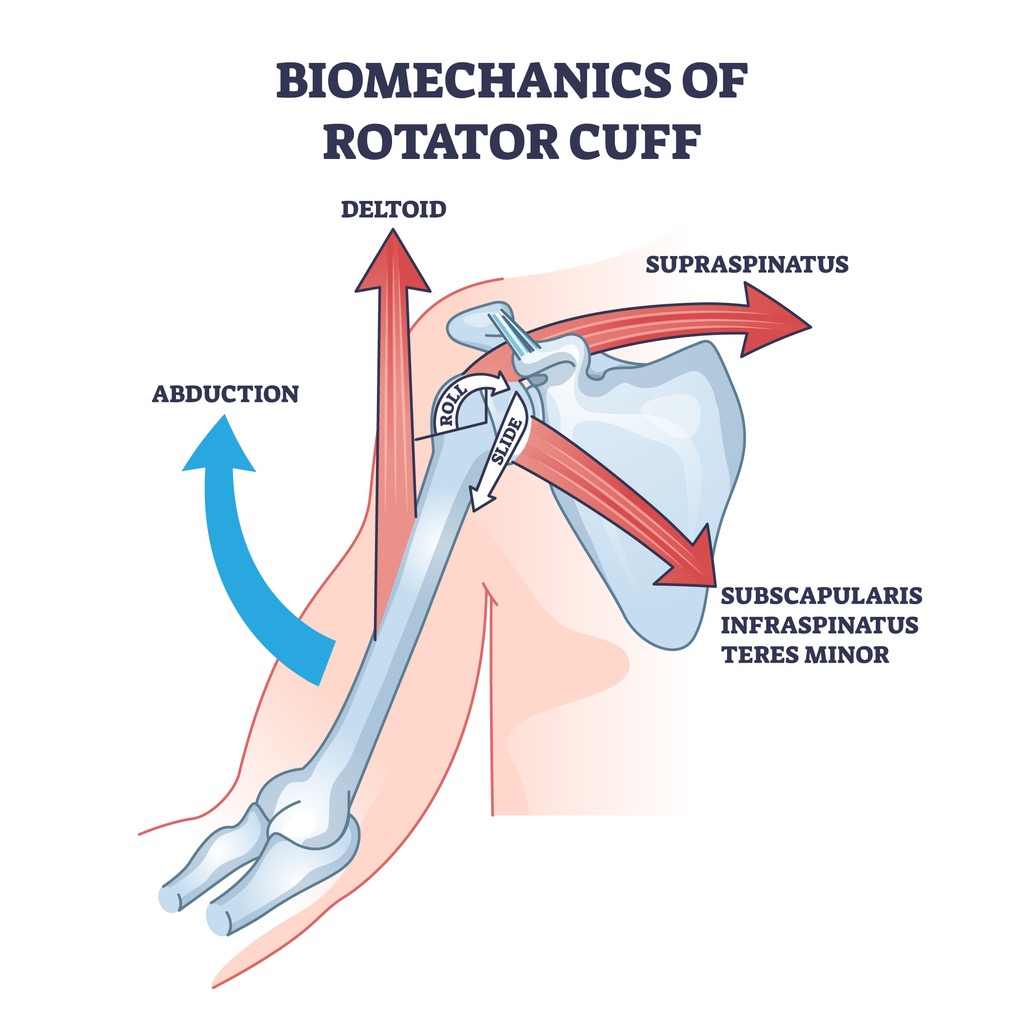
Rotator cuff repairs can fail when poor tendon quality, limited blood supply, or excessive stress interfere with healing during recovery. Biological augmentation is designed to improve the healing environment while reinforcing the repair during the early recovery phase. This approach may help by:
- Supporting tissue integration at the repair site
- Reducing the stress placed on the repaired tendon
- Providing temporary structural support during healing
- Improving biologic healing conditions
These combined effects help optimize healing conditions in more complex or high-risk tears.
What Causes Rotator Cuff Tears?
Rotator cuff tears occur when one or more tendons that stabilize the shoulder become damaged or detached from the bone. Common causes include:
- Age-related tendon degeneration
- Repetitive overhead activity from sports or work
- Acute trauma, such as a fall or lifting injury
- Chronic shoulder impingement
- Progressive tendon weakening over time
Symptoms Of A Rotator Cuff Tear
Rotator cuff tears commonly cause pain, weakness, and reduced shoulder function. Symptoms may include:
- Shoulder pain that worsens at night
- Weakness when lifting or reaching overhead
- Limited range of motion and stiffness
- Pain during overhead activity
- Clicking or catching sensations in the shoulder

What Is Tetrous EnFix?
Tetrous EnFix is a biologic augmentation system designed to support healing where the tendon attaches to bone, an area that is often the weakest point in rotator cuff repair. Tetrous EnFix is designed to:
- Support tendon-to-bone healing
- Reinforce repair stability
- Provide a scaffold for tissue integration
- Support healing in higher-risk tears
Early clinical experience suggests improved repair support in select complex cases, though ongoing research continues to evaluate outcomes.
CONMED In Rotator Cuff Repair
CONMED provides orthopedic surgical systems and instruments used in arthroscopic shoulder repair and soft tissue fixation. In rotator cuff repair, these systems may support:
- Arthroscopic (minimally invasive) surgical techniques
- Tendon-to-bone fixation using anchors and instruments
- Complex soft tissue reconstruction procedures
- Integration of biologic or mechanical augmentation strategies
What Is Arthrex BioSurge®?
Arthrex BioSurge® is a biologic augmentation system used to enhance healing conditions in orthopedic procedures, including rotator cuff surgery. It is intended to:
- Improve the biologic healing response
- Support tissue regeneration
- Enhance the local healing environment
- Promote tissue integration during recovery
Who Is A Candidate For Biological Rotator Cuff Repair?
Biologic augmentation is not necessary for every rotator cuff tear. It is generally considered in more complex or higher-risk cases where additional healing support may improve outcomes.
Patients who may benefit include those with:
- Large or massive rotator cuff tears
- Chronic or long-standing injuries
- Poor-quality tendon tissue
- Revision rotator cuff surgery
- Increased risk of re-tear
- High physical demands from sports or work
The decision to use biologic augmentation is ultimately made during surgery based on tendon quality and repair stability.
Benefits Of Biological Rotator Cuff Repair
Biologically augmented rotator cuff repair may offer several potential benefits in appropriately selected patients, including:
- Improved structural support during healing
- Enhanced tendon-to-bone integration
- Reduced stress on the repair site
- Improved biologic healing conditions
- Potential reduction in re-tear risk
How Rotator Cuff Repair Is Performed
Rotator cuff repair with biologic augmentation is typically performed using a minimally invasive technique. The procedure generally includes the following steps:
- Small incisions are made around the shoulder.
- An arthroscope is inserted for visualization.
- The torn tendon is repaired using anchors.
- Biologic augmentation is added when indicated.
- The repair is evaluated before closure.
Recovery Timeline After Biological Rotator Cuff Repair
Recovery depends on tear size, tendon quality, and the extent of repair performed. Recovery typically includes:
Phase 1: Protection (0–6 Weeks)
- Sling immobilization
- Limited shoulder movement
- Protection of surgical repair
Phase 2: Early Motion (6–12 Weeks)
- Guided physical therapy
- Passive and assisted range-of-motion exercises
- Gradual return of mobility
Phase 3: Strengthening (3–6 Months)
- Progressive strengthening exercises
- Functional rehabilitation
- Gradual return to activity
Full recovery generally occurs within 4–9 months depending on the severity of the injury and healing process.
Clinical Experience And Surgical Insight
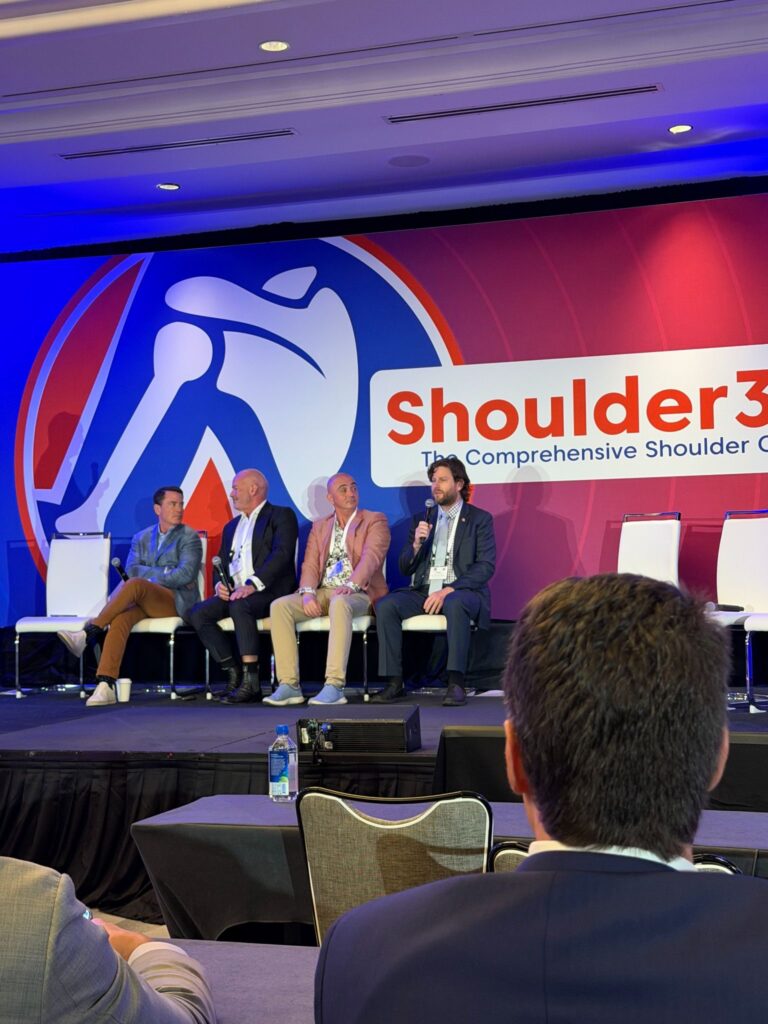
Dr. Peter Howard recently participated in a Shoulder360 panel discussion alongside Dr. Brian Cole, Ken Cutbush, and Derek Papp, focusing on evolving rotator cuff repair strategies.
During the discussion, Dr. Howard presented his experience using Tetrous EnFix in complex rotator cuff repairs and discussed how its use was associated with a significant reduction in rotator cuff re-tear rates compared to baseline experience in similar tear patterns.
As biologic technologies continue to evolve, augmentation strategies are becoming an increasingly important part of modern rotator cuff repair in appropriately selected patients.
Contact Us
At Peter Howard, M.D., we provide comprehensive shoulder evaluations and personalized treatment plans tailored to each patient’s needs. Our goal is to relieve pain, restore function, and support long-term shoulder health through both advanced surgical and non-surgical treatment options. Schedule an appointment with Peter Howard, M.D. today to learn more about whether biological rotator cuff repair is appropriate for your condition.