
Knee pain can quickly go from a minor annoyance to a traumatic event. If your knee feels like it is “giving out,” slipping, or shifting unexpectedly, you may be dealing with a patellar dislocation or patellofemoral instability.
This can affect anyone, but it’s especially common in athletes and active individuals. Left untreated, a single dislocation may lead to chronic instability, recurring episodes, or long-term joint damage. Understanding why the kneecap dislocates is important for protecting your knees, preventing long-term problems, and restoring confidence in movement.
Quick Answer: What Is Patellofemoral Dislocation?
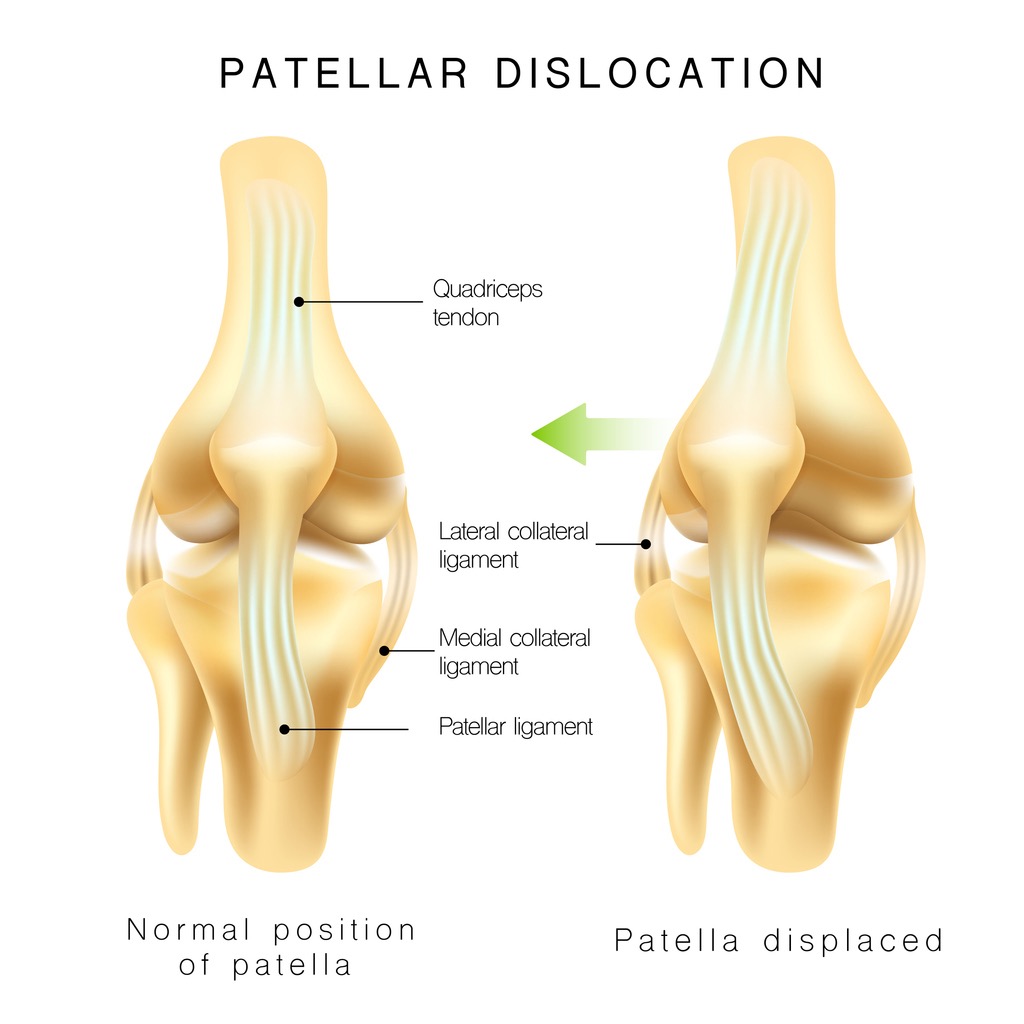
Patellofemoral dislocation is when the kneecap (patella) moves completely out of its normal position in the groove of the thigh bone.
Common symptoms include:
- Visible shifting or deformity of the kneecap
- Sudden swelling and intense instability
- A “popping” or “tearing” sensation
- A feeling that the knee is completely unreliable or buckling
Episodes may occur suddenly after an injury or recur frequently due to structural factors like a shallow groove, high-riding kneecap, ligament weakness, or muscle imbalances. In severe cases, the kneecap may partially or fully displace during routine movements.
How does the Patellofemoral Joint Work?
The patellofemoral joint is made up of the kneecap, the femur, and the supporting ligaments and muscles. The kneecap acts as a guide, helping the knee bend and straighten efficiently. It also improves the strength of the quadriceps muscles during movement.
When the kneecap dislocates or tracks poorly:
- The ligaments that hold it in place are often stretched or torn.
- The “track” becomes compromised, making future slips more likely.
- Repeated dislocations increase the risk of cartilage damage and early joint degeneration.
Repeated instability can increase the risk of early joint degeneration and contribute to early arthritis in the knee.
What are the Signs of Patellofemoral Dislocation?
The signs of patellofemoral instability and dislocation vary from person to person, but the most common signs include:
- Visible Shifting: In many cases, the kneecap may partially or fully shift to the side, which is often painful and alarming.
- Knee Giving Out or Locking: A sudden sense that the knee is giving way, buckling, or “slipping” out of place, making walking or changing direction feel unpredictable.
- Swelling and Tenderness: Significant swelling and tenderness often develop along the inside of the knee, particularly after a full dislocation.
- Popping or Grinding Sensations: Some patients notice catching, popping, or grinding as the kneecap moves, which can indicate it is struggling to stay in its track.
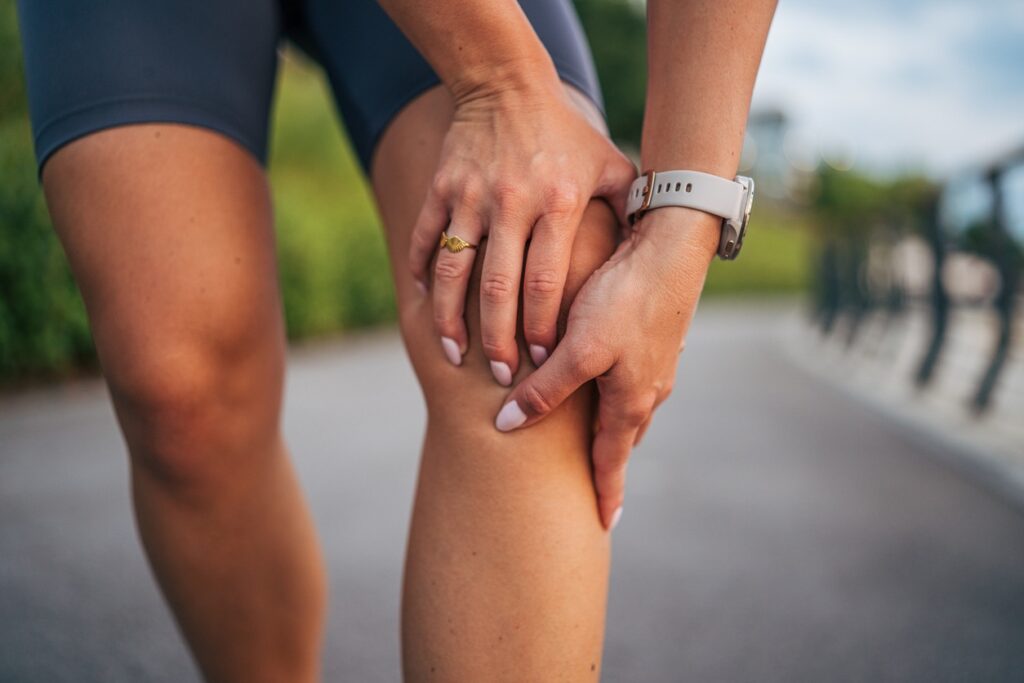
- Front Knee Pain: Discomfort at the front of the knee that worsens during activities like squatting or running.
What are the Risk Factors?
Several factors can increase the likelihood of kneecap dislocation:
- Structural differences, such as a shallow groove or high-riding kneecap
- Ligament injuries, especially to the medial patellofemoral ligament (MPFL)
- Naturally loose ligaments (joint laxity)
- Muscle imbalances, including weak quadriceps or tight outer thigh muscles (IT band)
- Repetitive stress from sports involving running, jumping, or quick direction changes
These factors often work together, making proper evaluation essential.
How is a Dislocation Diagnosed?
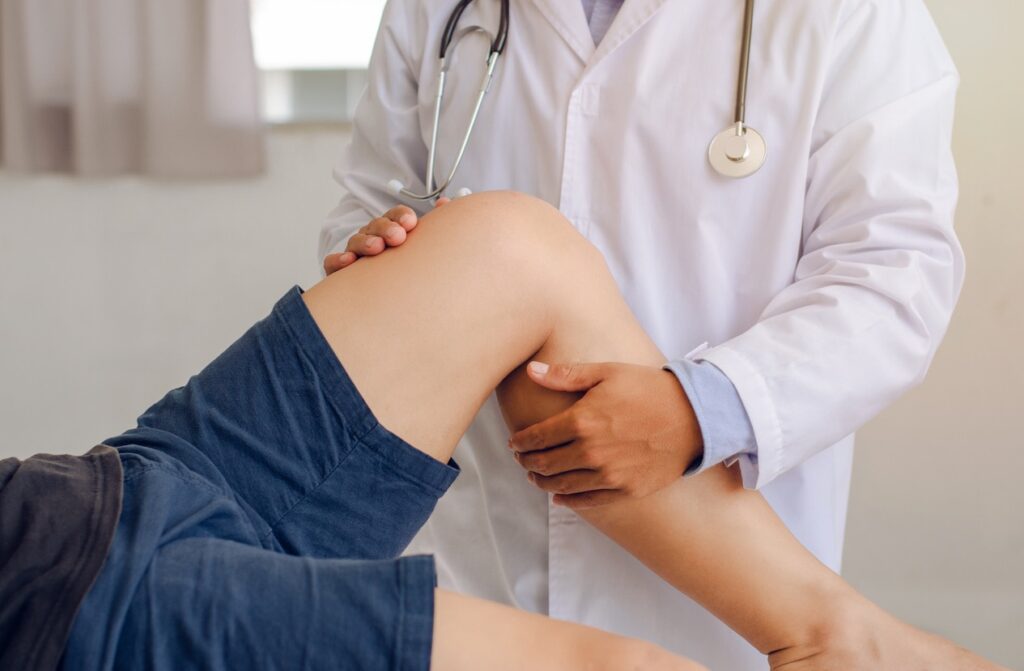
Diagnosis starts with a physical exam and a review of your symptoms and activity history.
An orthopedic specialist will assess:
- Kneecap movement and alignment
- Ligament stability
- Muscle strength and balance
Imaging may be used to confirm the diagnosis, including:
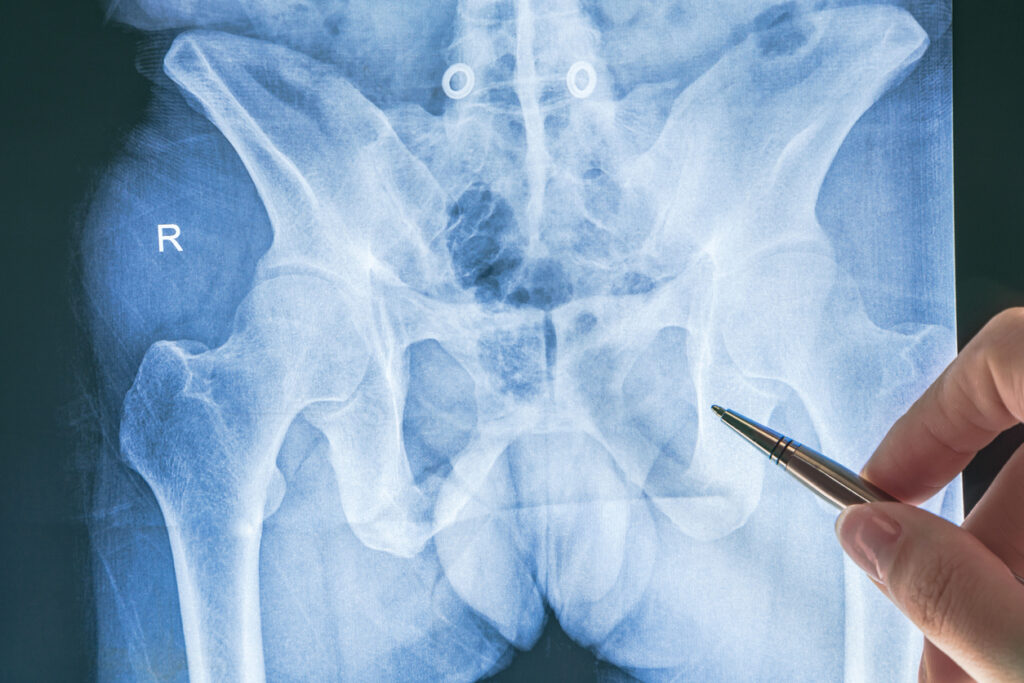
- X-rays to evaluate bone structure.
- MRI to assess soft tissue and cartilage.
- CT scans for detailed alignment analysis.
An accurate diagnosis helps guide the most effective treatment plan.
What are the Treatment Options?
The approach to treating patellofemoral dislocation depends on the severity of the condition and the individual’s activity level. Early intervention can often prevent further knee damage and restore confidence in movement.
- Physical Therapy: Exercises strengthen the quadriceps, hip, and core muscles that support the kneecap, while improving flexibility, balance, and movement patterns. This helps reduce the risk of future dislocations and supports a safe return to sports or daily activities.
- Activity Modification: Avoiding or reducing activities that trigger instability, such as squatting, jumping, or running on uneven surfaces, allows the knee to recover and prevents further injury, whether during sports or routine movements.
- Bracing or Taping: Knee braces or taping techniques help guide the kneecap into proper alignment, providing stability for everyday tasks or athletic training.
- Surgical Intervention: For recurrent instability or significant ligament damage, procedures like medial patellofemoral ligament reconstruction or patellar tendon realignment restore stability. Post-surgical rehabilitation helps regain strength, range of motion, and a safe return to sports or daily activities.
What is the Recovery Timeline?
Recovering from patellofemoral dislocation depends on treatment and severity. With physical therapy or activity modification, many patients notice reduced pain and improved stability within weeks, though full strengthening can take several months. For patients undergoing surgery, such as medial patellofemoral ligament reconstruction or patellar tendon realignment, recovery starts with rest and protection, followed by structured therapy to restore motion, strength, and balance. Most regain basic knee function in three to six months, with a return to high-impact sports in six to twelve months. Following a structured, gradual rehabilitation plan is crucial for long-term knee stability.
Patellofemoral Dislocation Care at Peter Howard, M.D.
If you experience repeated knee instability, persistent pain, or a sensation that your knee gives out, seeking evaluation from an orthopedic specialist is critical. At Peter Howard, M.D., we provide thorough assessments and develop personalized treatment plans to restore stability, reduce pain, and help you return safely to daily activities or sports. Don’t wait until recurrent dislocations or instability limits your activity, schedule an appointment with Peter Howard, M.D. today and take the first step toward stronger, more stable knees.