
Ankle sprains are common, but when the ankle repeatedly “gives out,” feels unstable, or continues to swell and hurt long after an injury, it may indicate chronic ankle instability.
While many ligament injuries heal with rest, bracing, and physical therapy, some patients continue to experience instability and recurrent sprains. In these cases, ankle ligament reconstruction surgery may be necessary to restore stability, protect the joint, and prevent long-term damage.
Understanding when surgery is appropriate and what recovery involves can help you make informed decisions about your ankle health.
What Is Chronic Ankle Instability?
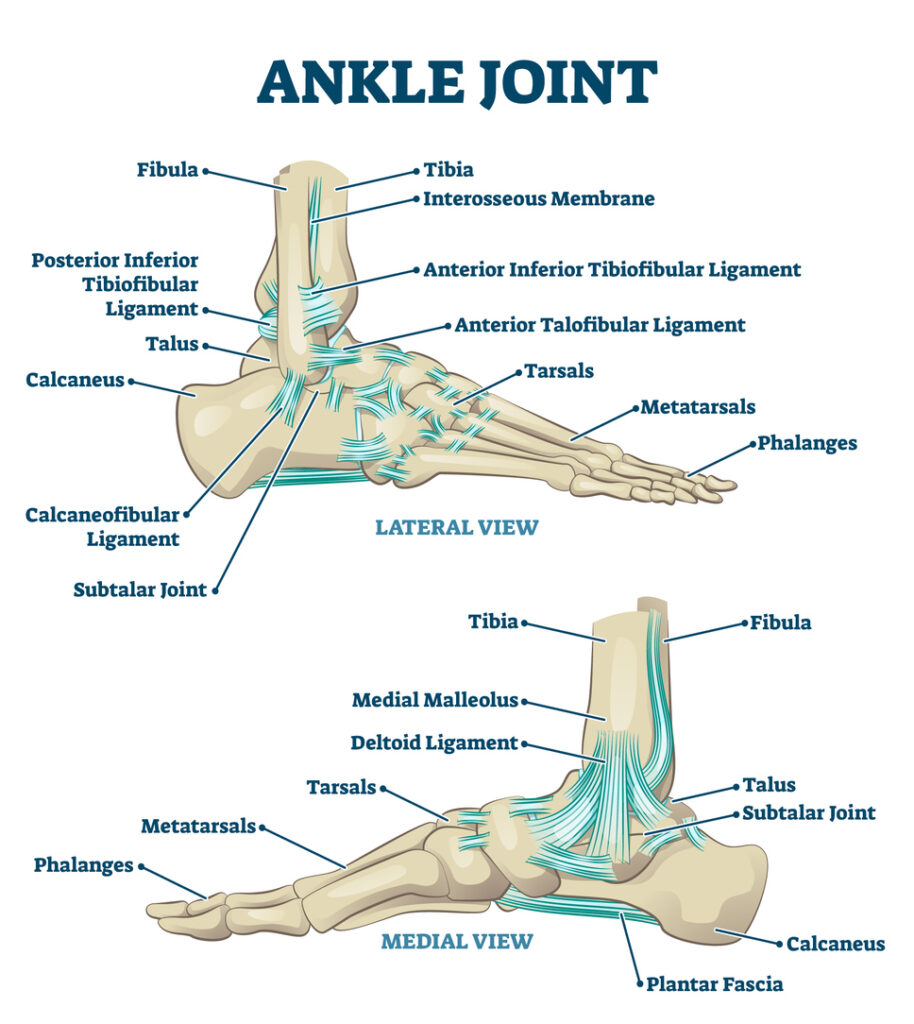
Chronic ankle instability develops when the ligaments that support the ankle fail to heal properly after a sprain. Over time, weakened ligaments allow excessive movement in the joint, increasing the risk of repeated injury.
Common symptoms include:
- The ankle repeatedly “giving way”
- Persistent swelling or discomfort
- Pain during walking, running, or sports
- Difficulty on uneven surfaces
- A feeling of looseness or weakness in the ankle
Untreated instability can increase the risk of cartilage damage and arthritis.
When Is Ankle Ligament Reconstruction Surgery Necessary?
Most ankle ligament injuries improve with conservative treatment, including physical therapy, bracing, activity modification, and anti-inflammatory medications.
Surgery may be recommended when:
- Conservative treatment fails, and instability persists.
- Recurrent sprains continue, increasing joint damage risk.
- Severe or complete ligament tears are present.
- Cartilage or structural damage accompanies the ligament injury.
If instability interferes with daily activities or athletic performance, reconstruction may provide long-term stability and protection.
Diagnosis and Pre-Surgical Evaluation
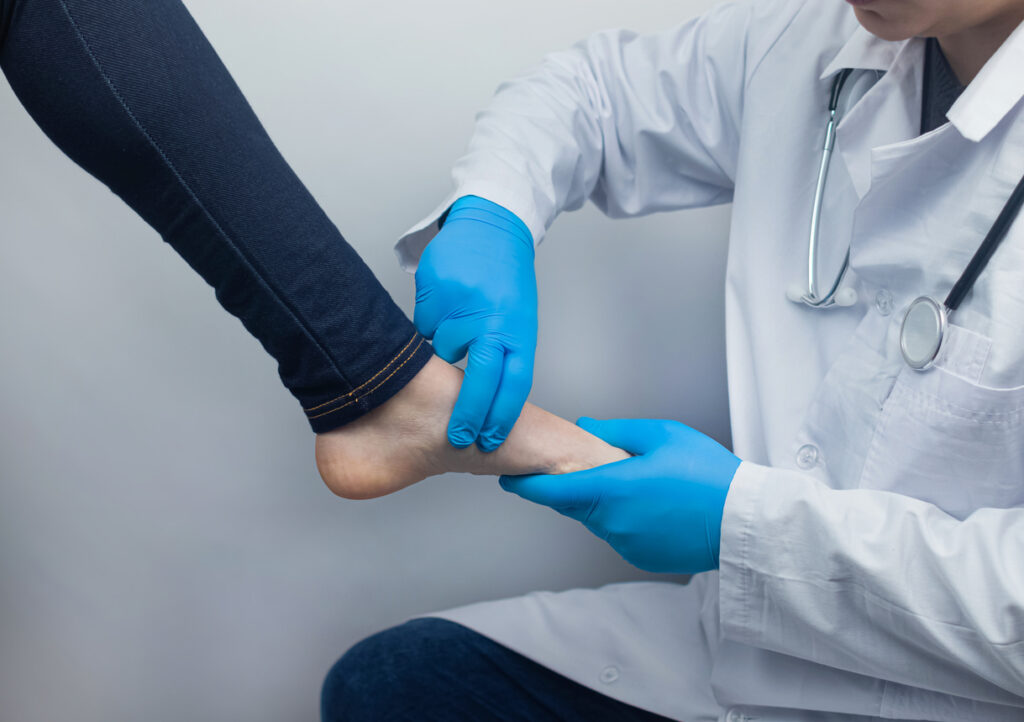
A thorough evaluation includes a physical exam to assess swelling, motion, and ligament stability. Imaging, such as X-rays and MRI, helps confirm ligament damage and identify cartilage or structural issues. Reviewing prior injuries and response to conservative care guides surgical planning.
Types of Ankle Ligament Reconstruction Surgery
Surgical treatment for chronic ankle instability depends on ligament quality, severity of instability, and associated joint damage. The goal of ankle ligament reconstruction surgery is to restore stability and prevent recurrent sprains.
1. Broström Procedure: The most common procedure is repairing and tightening stretched ligaments when tissue quality is adequate. This approach is typically recommended when the native ligaments are strong enough to be repaired.
2. Tendon Graft Reconstruction: When ligaments are too damaged to repair, a tendon graft from the patient or a donor may be used, often in severe or long-standing instability and in revision cases.
3. Arthroscopic-Assisted Reconstruction: Small incisions and a camera to evaluate the joint and assist with ligament repair, allowing the surgeon to assess cartilage damage, remove debris, and address additional joint issues. Arthroscopy surgery typically reduces recovery time, minimizes scarring, and allows more precise treatment of joint structures.
4. Traditional Open Reconstruction: Used in complex or multi-ligament cases to allow precise repair, reinforcement, or graft placement when needed.
Recovery After Ankle Ligament Reconstruction
Recovery from ankle ligament reconstruction surgery is gradual and carefully structured to protect the repair while restoring mobility, strength, and long-term stability. Timelines vary depending on the severity of instability, surgical technique, and patient activity level.
- Weeks 0–2: The ankle is immobilized in a splint or boot to protect the reconstructed ligaments. Patients are typically non-weight-bearing or limited to partial weight-bearing with crutches.
- Weeks 2–6: Gradual weight bearing begins, often with transition to a protective brace. Gentle range-of-motion exercises are introduced to restore mobility while protecting the repair.
- Weeks 6–12: Rehabilitation focuses on strengthening the ankle and lower leg, improving balance and proprioception, and progressing physical therapy exercises.
- 3–6 Months: Patients may begin light jogging and controlled, sport-specific training under supervision.
- 6–12 Months: Ligament healing and maturation continue. Many patients return to full athletic activity during this period, depending on progress and goals.
Throughout recovery, structured physical therapy plays a critical role in rebuilding strength, restoring balance, and preventing reinjury. Regular follow-up visits allow the surgeon to monitor healing and adjust rehabilitation as needed.
Prevention Strategies After Surgery
Preventing reinjury after ankle ligament reconstruction is proactive and structured to support ligament health, joint stability, and safe return to activity. Patients can focus on:
- Strength and Conditioning: Guided by sports medicine principles, exercises targeting the calf, lower leg, and ankle stabilizing muscles support ligaments during activity, maintain proper alignment, and reduce the risk of reinjury.
- Balance and Proprioception Training: Activities such as single-leg stands, balance boards, and agility drills improve joint awareness, coordination, and reaction time, making the ankle more resilient to sudden twists or uneven surfaces.
- Proper Footwear: Shoes with adequate support, cushioning, and traction help absorb impact, reduce stress on the ankle, and prevent abnormal motion that could strain the ligaments.
- Safe Playing Surfaces: Avoid uneven, slippery, or unstable surfaces whenever possible, and be mindful of changing conditions during sports or outdoor activities.
- Taping or Bracing: Supportive devices can be worn during high-risk activities, particularly for athletes returning to sports, to provide extra stability, reinforce proper movement patterns, and reduce the chance of reinjury.
When to Seek Care
Patients should consult a provider if they experience repeated ankle instability, persistent pain or swelling, or difficulty returning to sports or daily activities after an ankle injury. Early evaluation helps determine whether conservative care is sufficient or if surgical reconstruction may be necessary. Prompt attention not only increases the likelihood of a successful recovery but also reduces the risk of chronic instability, long-term joint damage, arthritis, or further ligament injuries. Additionally, early assessment allows for a personalized treatment plan that can address underlying biomechanical issues, prevent reinjury, and support a safer, more confident return to activity.
Contact Us
If you are dealing with chronic ankle instability or suspect you may need ligament reconstruction, our team at Peter Howard, M.D. is here to help. We provide thorough evaluations and develop personalized care plans tailored to your specific needs, whether that involves conservative therapies, shockwave treatment, or surgical repair. Our goal is to guide you through every step of the process, ensuring you understand your options and feel confident in your treatment plan. We focus not only on restoring strength, stability, and mobility but also on helping you prevent future injuries and maintain long-term ankle health. Together, we work to safely return you to your daily activities, sports, or hobbies with confidence. Reach out today to schedule an appointment and take the first step toward a stronger, more resilient ankle, so you can move freely and with peace of mind.


