
A shoulder dislocation can be painful and frustrating, especially when it happens more than once. For athletes and active individuals, repeated dislocations can make it difficult to trust the shoulder during sports, workouts, or even everyday movements.
When the shoulder continues to dislocate, a traditional labral repair may not provide enough support to prevent another injury. That’s where the Latarjet procedure may be an option.
Quick Answer: What Is the Latarjet Procedure?
The Latarjet procedure is a shoulder stabilization surgery used to treat recurrent dislocations, particularly when there is significant bone loss or a previous stabilization surgery has failed. A surgeon transfers a small piece of bone from the shoulder blade to the front of the shoulder socket, providing additional support to help prevent future dislocations.
Why Does the Shoulder Keep Dislocating?
The shoulder is the most mobile joint in the body, allowing the arm to move in nearly every direction. However, this flexibility also makes it vulnerable to instability.
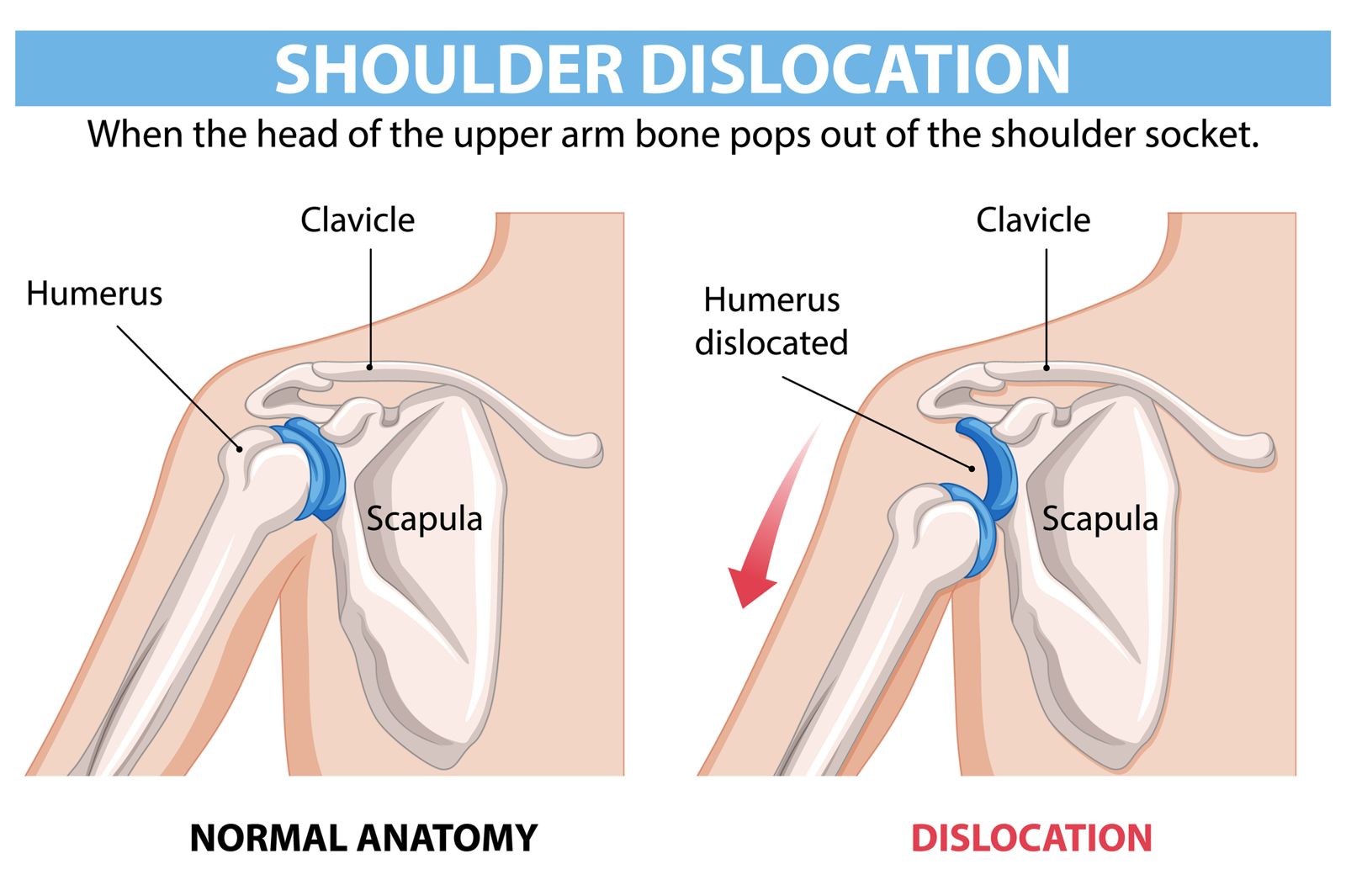
After a shoulder dislocation, the structures that hold the joint in place may become damaged. Common injuries include:
- Labral tears: Damage to the ring of cartilage surrounding the shoulder socket.
- Ligament damage: Stretched or torn ligaments that no longer provide enough support.
- Glenoid bone loss: Damage to the shoulder socket that reduces its ability to hold the upper arm bone securely.
- Hill-Sachs lesions: A dent in the upper arm bone that can increase the risk of another dislocation.
Repeated dislocations can cause additional damage. When significant bone loss is present, repairing the labrum alone may not restore stability.
Who Is a Candidate for Latarjet Surgery?
The procedure is generally considered for recurrent anterior shoulder instability, meaning the shoulder repeatedly dislocates toward the front of the joint.
It may be recommended for patients with significant socket bone loss, certain Hill-Sachs lesions, or continued dislocations despite treatment or previous surgery. Participation in contact sports, such as football, wrestling, or hockey, may also influence the decision.

Not everyone with recurrent shoulder instability needs Latarjet surgery. Your surgeon will review your symptoms, previous treatments, and activity goals. An examination and imaging, such as X-rays, MRI, or CT scans, help assess the damage and guide treatment.
How Does the Latarjet Procedure Work?
The procedure is typically performed through an incision at the front of the shoulder.
During surgery, the surgeon:
- Removes a small section of bone called the coracoid process from the shoulder blade.
- Transfers it to the front of the shoulder socket.
- Secures it in place, typically using screws.
The transferred bone helps rebuild the socket, while its attached tendons provide additional support to resist future dislocations.
Latarjet vs. Bankart Repair: What’s the Difference?
A Bankart repair reattaches a torn labrum to the shoulder socket, usually through arthroscopic surgery. It is often recommended when instability is primarily caused by soft tissue damage and significant bone loss is not present.
The Latarjet procedure restores bone support. It may be recommended when substantial bone loss is present or a previous Bankart repair has not prevented dislocations.
Dr. Howard offers a range of shoulder treatment options, including revision surgery after a failed shoulder repair.
How Long Is Recovery After Latarjet Surgery?
Recovery typically takes several months. Rehabilitation progresses through protecting the shoulder in a sling, restoring movement, rebuilding strength, and gradually returning to sport-specific activities.
Some patients may begin returning to noncontact sports around four months after surgery. Contact sports often require approximately six months or longer, while overhead or throwing activities may involve a longer recovery.
Following a structured physical therapy program is an important part of recovery. Return to sports should be based on healing, shoulder function, and clearance from the treating surgeon rather than time alone.
What Are the Benefits and Risks?
The primary benefit is improved shoulder stability and a reduced risk of future dislocations. Patients may also gain greater confidence during physical activity.
Potential risks include infection, stiffness, nerve injury, complications involving the transferred bone or surgical hardware, and persistent or recurrent instability. Your surgeon will discuss how the expected benefits and risks apply to your situation.
FAQs About Latarjet Surgery
Does every shoulder dislocation require Latarjet surgery?
No. Many first-time dislocations can be treated with physical therapy and activity modification. Latarjet is generally considered for recurrent instability or structural damage that increases the risk of further dislocations.
Can Latarjet help after a failed Bankart repair?
Yes. It may be recommended when a previous repair has failed, particularly when bone loss contributes to continued instability.
Can the shoulder dislocate again after Latarjet surgery?
Yes, although recurrent dislocation is relatively uncommon after a successful procedure. The original injury, healing, and activity demands can affect the risk.
Can athletes return to contact sports?
Many athletes return after surgery and rehabilitation. Surgeon clearance depends on bone healing, strength, stability, and the demands of the sport.
Treatment for Shoulder Instability in Clearwater and New Port Richey
If your shoulder has dislocated more than once, continues to feel unstable, or limits your activities, an orthopedic evaluation can help identify the cause.
At Peter Howard, M.D., treatment focuses on developing a personalized plan to help patients return to the activities they enjoy. Dr. Howard specializes in shoulder surgery and sports medicine, offering nonsurgical care and surgical stabilization when appropriate.
With offices in Clearwater–McMullen Booth and New Port Richey, Dr. Howard serves patients throughout Pinellas and Pasco counties.
Schedule an appointment to discuss your shoulder instability and treatment options.
If your shoulder is currently dislocated, visibly deformed, or accompanied by numbness or significant weakness, seek urgent medical care. Do not attempt to reposition it yourself.