

You’ve added a few miles to your weekly routine, started training for a race, or returned to running after some time off. Now your shins hurt. Is it soreness you can manage by adjusting your training, or something that needs a doctor’s attention?
Shin splints and stress fractures can feel similar at first. Knowing what to watch for can help you decide what to do next and avoid turning a manageable injury into a longer setback.
Quick Answer: How Can You Tell Shin Splints From A Stress Fracture?
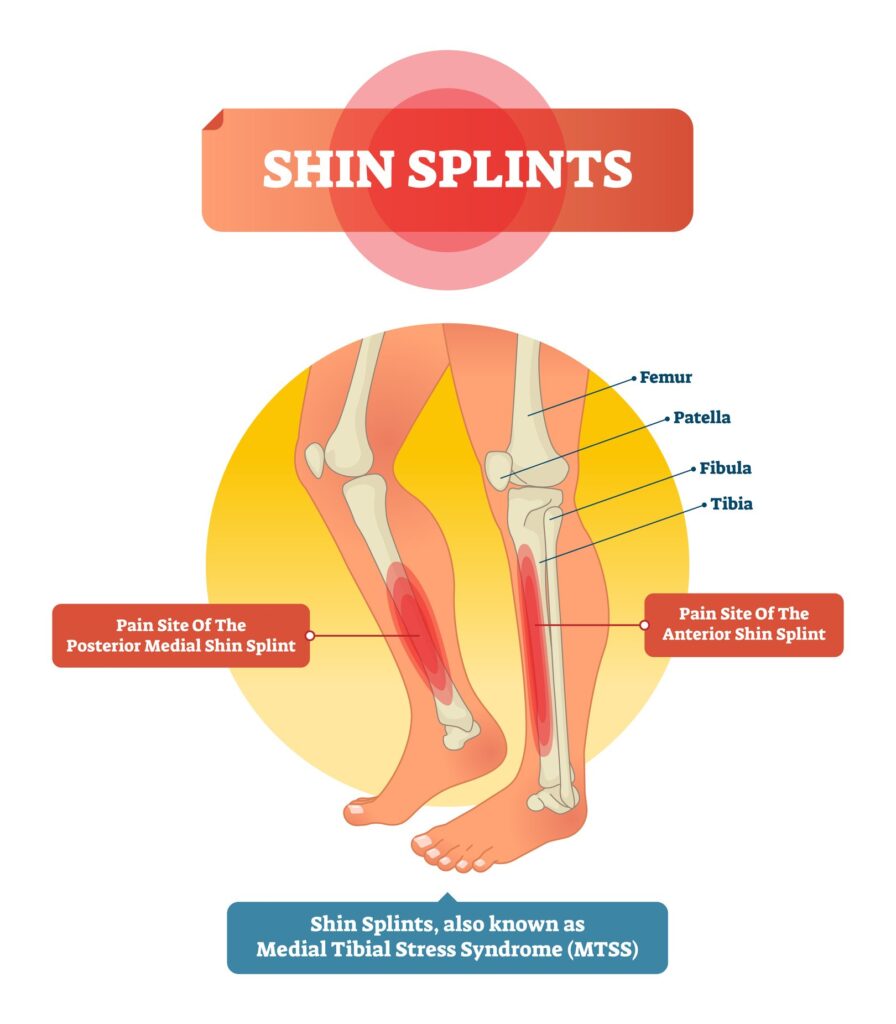
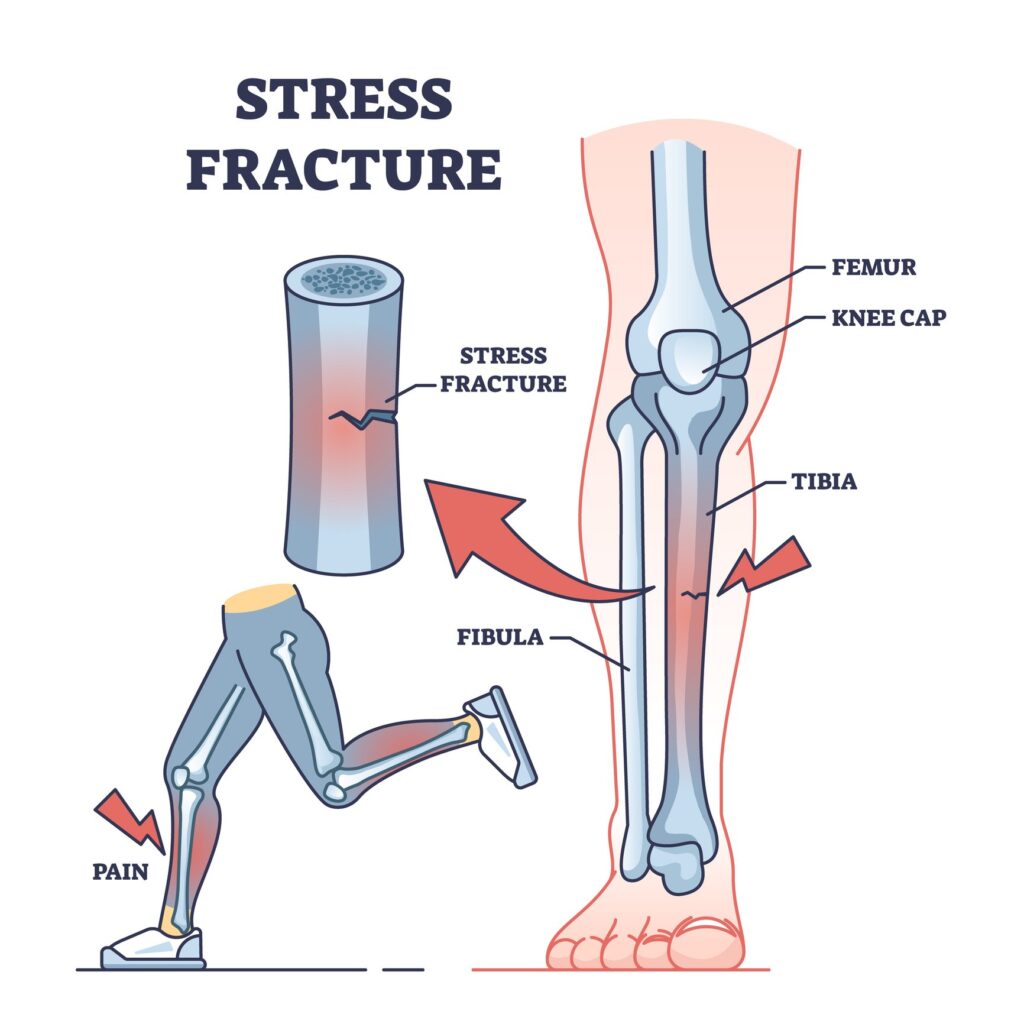
Shin splints, also called medial tibial stress syndrome, typically cause pain and tenderness along a broader area of the inner shinbone. A stress fracture is a small crack in the bone caused by repetitive loading and often produces pain in a more specific spot. Pain that affects walking, continues at rest, or steadily worsens is a reason to stop running and see a doctor. Symptoms can overlap, so an examination and sometimes imaging are needed to tell the difference.
Why Does Running Cause Shin Pain?
Your legs need time to adapt to the demands of training. When you increase those demands faster than your body can recover, the tissues around the shinbone and sometimes the bone itself can become overloaded.
Common factors worth reviewing include:
- Training Changes: Have you recently added mileage, speed sessions, hills, or extra running days?
- Recovery: Are you allowing enough rest between demanding workouts?
- Footwear And Mechanics: Worn shoes and the way your feet absorb impact may contribute to shin discomfort.
- Nutrition And Bone Health: Not eating enough to support training, low bone density, or a previous stress fracture can increase the risk of a bone stress injury.
These injuries can affect experienced runners, too. A strong fitness level does not necessarily mean your bones are ready for a sudden jump in training.
When Should You See A Doctor?
Pay attention to how the pain changes, rather than just how much it hurts during one run. Arrange an evaluation if you notice:
- One Particularly Tender Spot: You can point to a small area on the bone where the pain is concentrated.
- Pain During Everyday Activities: Walking, shopping, or household tasks hurt, or you have started limping.
- Symptoms That Are Progressing: Pain begins earlier in your runs, lasts longer afterward, or occurs at night.
- Repeated Setbacks: You rest, feel better, and then the same pain returns when you resume running.
You do not need to wait until the pain becomes severe. Early stress injuries may settle with rest and flare up again with activity.
If you cannot bear weight or have severe pain or significant swelling, seek urgent medical care.
What Happens During An Evaluation?
A sports medicine evaluation starts with questions about when the pain started, where you feel it, and what has changed in your training. The examination helps determine whether the tenderness follows the pattern of shin splints or suggests a bone injury.
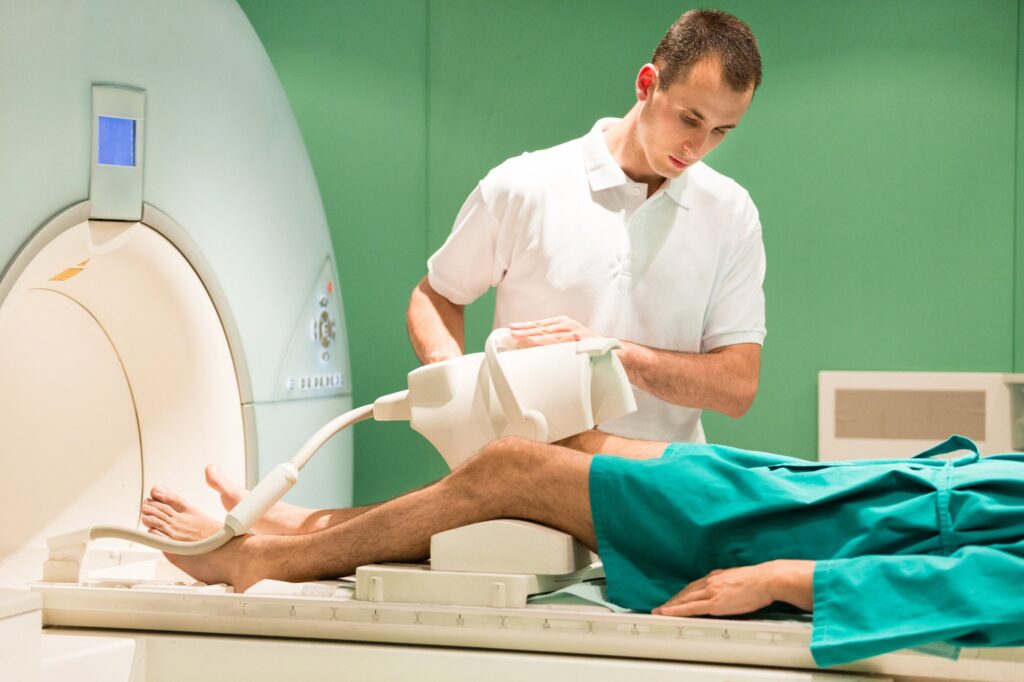
Not every runner needs imaging. If a stress fracture is suspected, X-rays may be recommended. However, a normal early X-ray does not rule out a stress fracture. An MRI can detect bone stress changes that are not yet visible on X-rays.
How Are Shin Splints And Stress Fractures Treated?
Both require adjusting the activity that caused the problem, but a stress fracture may need more protection while the bone heals.
For shin splints, treatment commonly includes:
- A Break From Painful Running: Give the irritated tissues time to settle.
- Ice For Discomfort: Use a wrapped cold pack rather than placing ice directly on the skin.
- Physical Therapy And Footwear Changes: Physical therapy can improve strength and flexibility, while footwear changes may provide better support where appropriate.
For a stress fracture, your doctor may also recommend a boot or crutches, particularly if walking is painful. Swimming or cycling may be options for maintaining fitness, but the choice depends on the injury and whether the activity is comfortable.
Most stress fractures heal without surgery. Certain fracture locations or injuries that do not heal as expected may require a different approach.
When Can You Run Again?
The timeline depends on whether you have shin splints or a stress fracture, along with how severe the injury is. Here are typical ranges to help you plan:
- Shin Splints: Expect several weeks of recovery. A return to activity often takes around 4 to 6 weeks with appropriate rest and rehabilitation, although persistent cases can take longer. Symptoms and your progress through rehabilitation help determine when to restart.
- Stress Fracture: Many stress fractures take approximately 6 to 8 weeks to heal. More severe injuries or fractures in locations that heal poorly may need 3 months or longer. Bone healing is only part of the process, so returning to your usual running volume can take additional weeks.
These are planning ranges, rather than automatic clearance dates. Once your specialist determines that you are ready, start with short, easy sessions or walk-run intervals and allow recovery days between runs. Build distance before adding speed or hills. If pain returns, stop and discuss the next step with your treatment team.
Frequently Asked Questions
Can I have a stress fracture if I can still walk?
Yes. Walking may remain comfortable early in the injury. Your ability to walk alone cannot rule it out.
What if the pain goes away after warming up?
Temporary improvement does not confirm that running is safe. Consider the overall pattern, especially whether symptoms keep returning.
Does every case of shin splints turn into a stress fracture?
No. They are distinct diagnoses. Persistent shin pain should be evaluated rather than assumed to be one or the other.
Shin Pain Care At Peter Howard, M.D.
Shin pain can interrupt a runner’s training, and continuing to run on an untreated stress fracture can worsen the injury. At Peter Howard, M.D., we care for patients in Palm Harbor and New Port Richey, serving communities throughout Pinellas and Pasco counties. Treatment is tailored to each patient and may include activity modification, rehabilitation, or protected weight-bearing when appropriate. The goal is to relieve pain, support healing, and help runners safely return to the activities they enjoy. Schedule an appointment with Peter Howard, M.D., today to learn more about your shin pain treatment options.