
A sudden collision, awkward fall, or forceful arm movement can cause the shoulder to slip out of its socket. For athletes, a shoulder dislocation can be more than a painful injury. It may damage the structures that stabilize the joint and increase the risk of future dislocations. Treatment depends on the severity of the injury, whether the shoulder has dislocated before, the athlete’s sport, and their activity goals. Therefore, if you’re experiencing shoulder pain, instability, or difficulty moving your arm after an injury, an orthopedic evaluation can help determine the cause and guide appropriate treatment.
Quick Answer: What Is A Shoulder Dislocation?
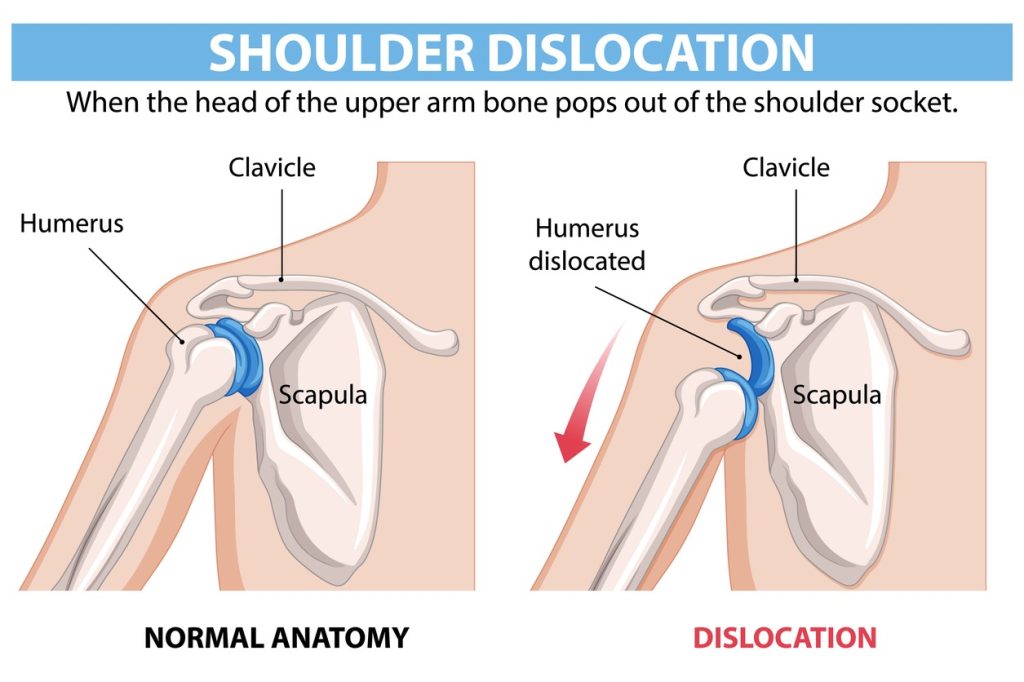
A shoulder dislocation occurs when the upper end of the arm bone is forced completely or partially out of the shoulder socket. Most occur toward the front of the body and can damage the labrum, ligaments, tendons, or other stabilizing structures. Treatment may include repositioning the shoulder, physical therapy, activity modification, bracing, or surgery. Repeated dislocations or significant structural damage may require surgical stabilization.
What Causes Shoulder Dislocations In Athletes?
The shoulder’s wide range of motion allows athletes to throw, reach, swing, and perform overhead movements, but it can also make the joint vulnerable to instability. Common causes of shoulder dislocations include contact injuries, falls onto the shoulder or an outstretched arm, forceful overhead movements, sudden rotation, and previous dislocations that may have damaged the structures supporting the joint.
Signs Of A Shoulder Dislocation
A dislocated shoulder typically causes sudden symptoms. Common signs include:
- Severe Shoulder Pain: Sudden, intense pain that may make it difficult or impossible to move the arm normally.
- Visible Deformity: The shoulder may appear visibly out of place or look different from the uninjured shoulder.
- Swelling Or Bruising: The soft tissues around the shoulder may swell or develop bruising shortly after the injury.
- Limited Movement: Pain and the displaced joint can make it difficult to raise, rotate, or otherwise move the arm.
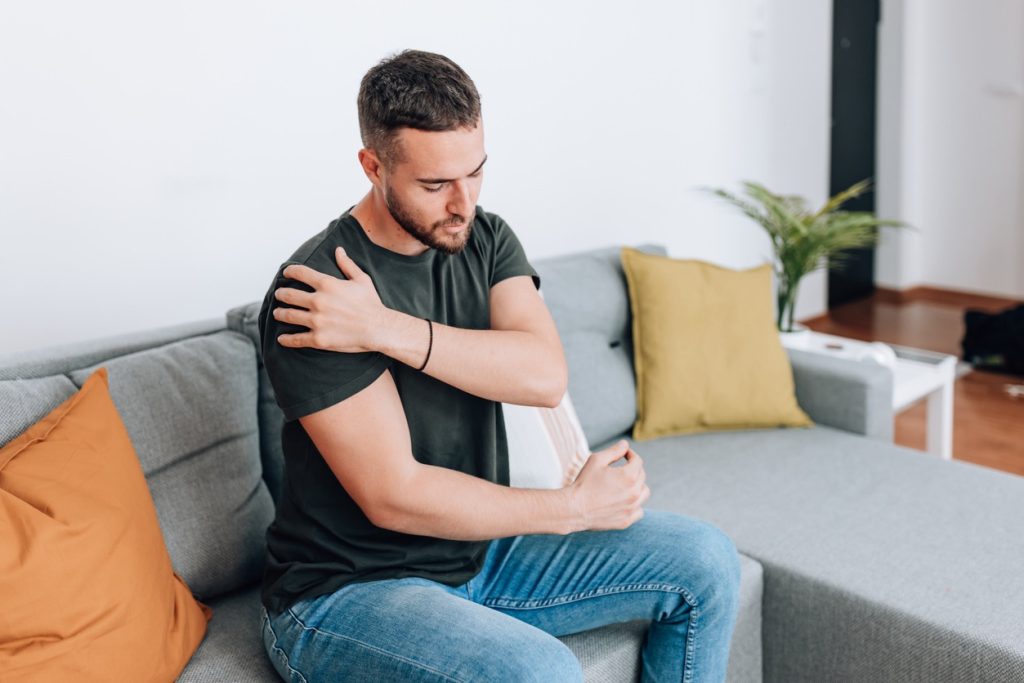
- Instability Or Numbness: The shoulder may feel loose or unstable, while nerve irritation can cause numbness or tingling in the arm or hand.
What Happens After A Shoulder Dislocation?
After the shoulder is repositioned, the next step is determining whether the injury damaged the structures that keep the joint stable.
A dislocation can stretch or tear the labrum and ligaments and may also damage bone, cartilage, or the rotator cuff. These injuries can increase the risk of future instability, particularly in younger athletes and those participating in contact or overhead sports.
Diagnosing A Shoulder Dislocation
Diagnosis begins with a physical examination and discussion of how the injury occurred. An orthopedic specialist will assess pain, swelling, range of motion, strength, and shoulder stability. Imaging may also be recommended. X-rays can confirm the dislocation and identify fractures or other bone damage, while magnetic resonance imaging (MRI) provides detailed images of the labrum, ligaments, rotator cuff, and other soft tissues. Computed tomography (CT) may provide more detailed images of the shoulder bones, particularly after repeated dislocations. These findings help determine the most appropriate treatment.
Shoulder Dislocation Treatment Options
Treatment depends on the severity of the injury, whether the dislocation is a first-time or recurring injury, and the athlete’s activity goals. Common treatment options include:
- Reduction: A medical professional carefully moves the shoulder back into position. This should never be attempted without medical assistance.
- Immobilization: A sling may temporarily protect the shoulder and allow the injured tissues to begin healing.
- Physical Therapy: Rehabilitation restores motion, strengthens the rotator cuff and surrounding muscles, and improves shoulder stability.
- Activity Modification: Athletes may temporarily avoid contact sports, overhead movements, or other activities that place stress on the healing shoulder.
- Medications: Pain-relieving or anti-inflammatory medications may help manage discomfort and swelling when appropriate.
Many athletes can return to activity with appropriate rehabilitation. However, repeated instability or significant structural damage may require surgery.
When Is Shoulder Dislocation Surgery Recommended?
Surgery may be considered when the shoulder repeatedly dislocates, remains unstable, or has significant damage to the structures that stabilize the joint. It may be particularly appropriate for athletes involved in high-demand or contact sports. Surgery may be recommended for:
- Repeated shoulder dislocations or instability
- Significant labral or ligament damage
- Bone loss or other structural damage
- Persistent instability despite physical therapy
- Athletes who need to return to high-demand activities
Arthroscopic shoulder stabilization can repair damaged soft tissues, while other procedures may be needed when significant bone loss is present.
EnFix And Rotator Cuff Repair
Advances in shoulder surgery continue to focus on improving healing at the bone-tendon interface. Dr. Peter Howard has experience using the EnFix® demineralized bone fiber implant from Tetrous during rotator cuff repairs.
According to Dr. Howard, his patients have benefited from lower complication and retear rates, improved pain control, and better patient-reported outcomes when the EnFix device is used in rotator cuff repairs.
Recovery And Returning To Sports
Recovery depends on the severity of the injury and whether surgery is required. Patients treated without surgery typically progress through physical therapy to restore motion, strength, and stability. After surgical stabilization, rehabilitation progresses from protecting the repair to restoring motion, rebuilding strength, and introducing sport-specific movements. Athletes should regain appropriate strength, control, and stability before returning to contact or overhead sports.
Frequently Asked Questions
Can a shoulder dislocation heal without surgery? Yes. Some first-time dislocations can be treated with reduction, immobilization, physical therapy, and activity modification. Surgery may be considered when significant damage or recurrent instability is present.
How likely is a shoulder to dislocate again? The risk depends on factors such as age, structural damage, and activity level. Younger athletes and those participating in contact or high-demand sports may have a higher risk.
Can I play sports after a shoulder dislocation? Many athletes return to sports after a shoulder dislocation. The timing depends on the injury and treatment, and athletes should regain appropriate strength, motion, and stability first.
Does a shoulder dislocation always require surgery? No. The decision depends on recurrence, structural damage, shoulder stability, and the athlete’s goals.
What is the difference between a dislocated shoulder and shoulder instability? A dislocation occurs when the shoulder completely comes out of its socket. Instability refers to a shoulder that feels loose or repeatedly slips partially or completely out of position.
When To Seek Professional Care
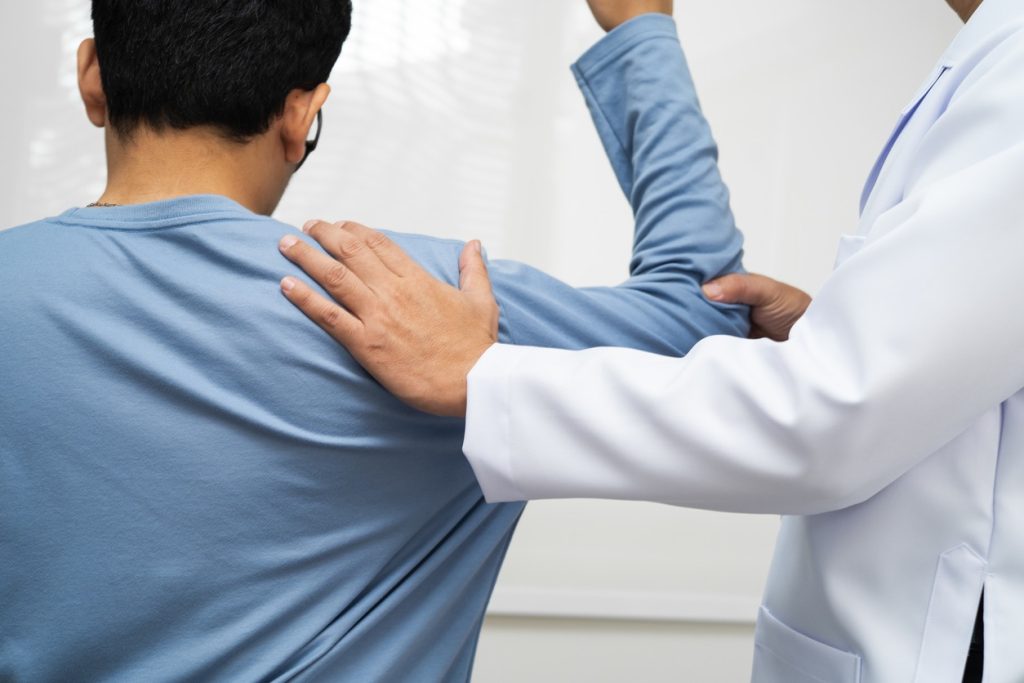
Severe shoulder pain, visible deformity, significant swelling, or an inability to move the arm after an injury warrants prompt medical evaluation. Athletes should also seek evaluation after a shoulder dislocation, particularly if the shoulder continues to feel unstable or has dislocated more than once. Dr. Howard combines sports medicine experience with current surgical techniques and technologies to develop individualized treatment plans based on each patient’s injury and goals.
Shoulder Dislocation Care At Peter Howard, M.D.
A shoulder dislocation can affect an athlete’s ability to compete and increase the risk of future injury without appropriate treatment. At Peter Howard, M.D., treatment is tailored to each patient and may include rehabilitation, activity modification, or surgical stabilization when appropriate. The goal is to restore shoulder stability, reduce pain, and help athletes safely return to the activities they enjoy. Schedule an appointment with Peter Howard, M.D., today to learn more about your shoulder dislocation treatment options.