
Shoulder pain can be especially limiting for athletes and active individuals, affecting performance, strength, and everyday function. When significant rotator cuff damage is present, traditional treatments may not provide enough relief. In these cases, reverse shoulder replacement can help restore movement, improve stability, and reduce pain. This guide explains how the procedure works, who it is for, and what to expect before and after treatment so you can make informed decisions about your care and protect your shoulder health.
Quick Answer: What Is Reverse Shoulder Replacement?
Reverse shoulder replacement is a surgery that changes the position of the shoulder joint so the deltoid muscle can lift the arm when the rotator cuff no longer works properly. It is designed to relieve pain, improve stability, and help patients regain arm movement.
How Does the Shoulder Normally Work?
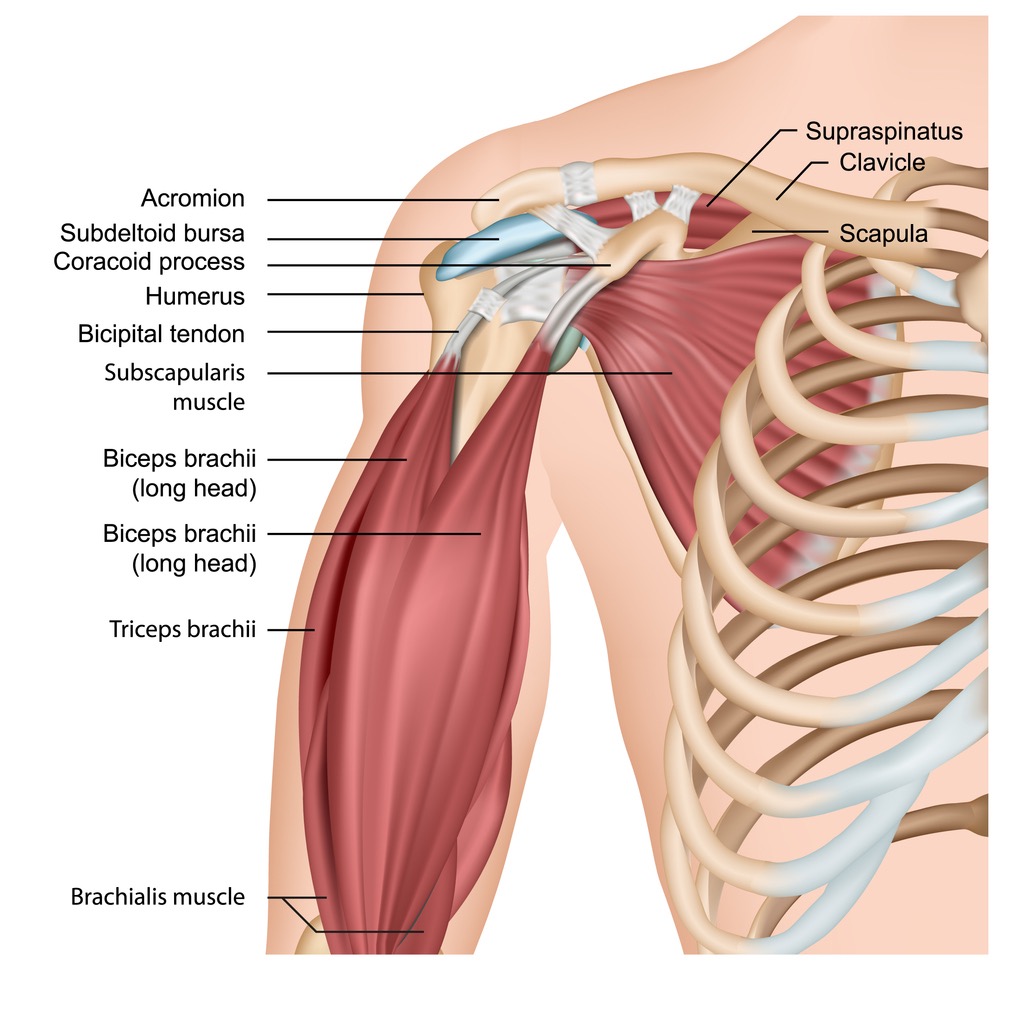
To understand this procedure, it helps to first look at how a healthy shoulder functions. The shoulder is a ball-and-socket joint. The “ball” is the top of your upper arm bone, and the “socket” is part of your shoulder blade. Surrounding the joint is a group of muscles and tendons called the rotator cuff. These tissues keep the joint stable and allow smooth, controlled movement.
For athletes and active individuals, the rotator cuff is especially important. It supports overhead motions like throwing, swimming, lifting, and serving in sports such as tennis or volleyball. When the rotator cuff is damaged, the shoulder can become unstable, leading to pain, weakness, and difficulty lifting the arm.
What Makes Reverse Shoulder Replacement Different?
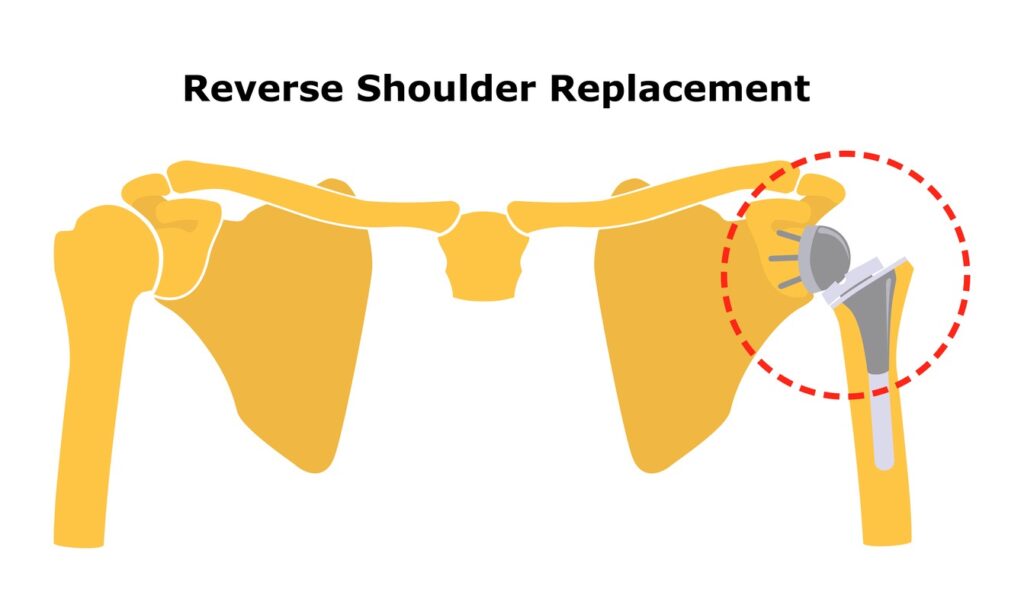
In a standard shoulder replacement, the damaged joint is replaced, but the natural structure stays the same. This works well when the rotator cuff is still functional. Reverse shoulder replacement changes the mechanics of the joint. A metal ball is attached to the shoulder blade, and a socket component is placed on the upper arm bone.
By reversing the structure, the shoulder no longer depends on the rotator cuff. Instead, the deltoid muscle, the large muscle on the outside of your shoulder, takes over the job of lifting the arm. This change allows the shoulder to function even without a healthy rotator cuff by relying on the deltoid muscle for arm lifting and movement. This design allows patients with severe rotator cuff damage to regain movement that would otherwise be very difficult or impossible.
What are the Signs You Need a Reverse Shoulder Replacement?
Regardless of your activity level, shoulder symptoms can develop gradually or appear after an injury. Recognizing these signs early can help prevent further damage and guide timely treatment:
- Persistent Pain: Ongoing discomfort during activity or at rest, especially if it interferes with sleep, may suggest an underlying joint or tendon problem.
- Limited Range of Motion: Difficulty lifting your arm, reaching overhead, or moving the shoulder freely can signal structural issues within the joint.
- Weakness: A noticeable loss of strength, particularly when lifting or rotating the arm, is often associated with rotator cuff damage.
- Grinding or Catching Sensations: Clicking, popping, or a feeling of the joint catching during movement may suggest cartilage wear or instability.
- Instability: A sensation that the shoulder may give out or lack control can occur when the supporting structures are compromised.
What Non-Surgical Treatments Are Tried First?
Before recommending surgery, non-surgical treatments are typically explored to help manage pain, improve function, and support shoulder stability:
- Physical Therapy: A guided rehabilitation program that focuses on strengthening the muscles around the shoulder, improving joint control, and decreasing stress on damaged tissues.
- Activity Modification: Adjusting training habits, workload, or movement patterns to avoid positions that worsen symptoms and to prevent further irritation or injury.
- Medication Management: Anti-inflammatory medications may be used to help reduce pain, calm inflammation, and improve comfort during daily use of the shoulder.
- Injection Therapy: Corticosteroid injections may be considered in some cases to temporarily reduce inflammation and provide short-term symptom relief.
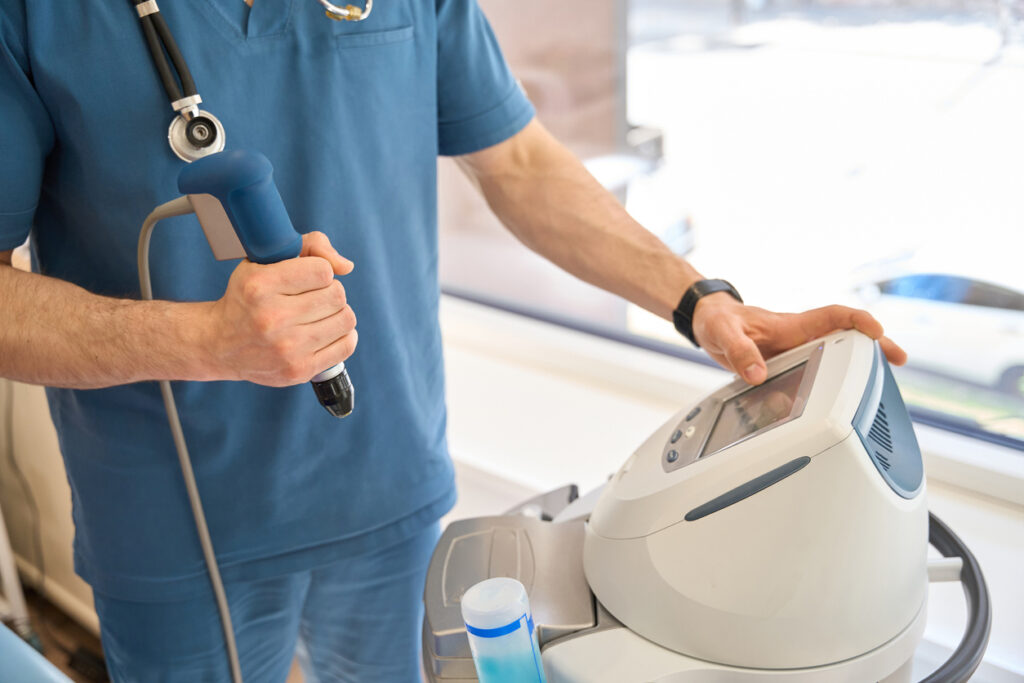
- Shockwave Therapy: Shockwave therapy may be used for related tendon conditions such as rotator cuff tendonitis. This non-invasive treatment uses acoustic energy to stimulate the body’s natural healing response, reduce pain, and improve overall function.
When Is Reverse Shoulder Replacement Recommended?
Reverse shoulder replacement is typically considered when other treatments have not been successful. You may be a candidate if you have a large rotator cuff tear that cannot be repaired, rotator cuff tear arthropathy, which combines arthritis with tendon damage, chronic pain and weakness that limit activity, a history of failed shoulder surgery, or a complex fracture affecting the joint. For athletes and active individuals, the goal is not only to relieve pain but also to restore enough strength and function to safely return to an active routine.
What to Expect
The procedure is performed under anesthesia and typically takes a few hours. During surgery, the damaged parts of the shoulder joint are removed and replaced with artificial components. A metal ball is attached to the shoulder blade, while a socket is placed on the upper arm bone. This reversed configuration allows the deltoid muscle to take over the work of lifting the arm, improving stability and movement even when the rotator cuff is no longer functioning properly.
What Does Recovery Look Like and What Results Can You Expect?
Recovery after reverse shoulder replacement is gradual and requires consistency. The arm is initially placed in a sling, followed by physical therapy that progresses from gentle motion to strengthening exercises.
Most patients return to daily activities within a few months, with athletes gradually resuming training under guidance. Outcomes are typically very favorable, with many patients experiencing significant pain relief, improved ability to lift the arm, and better joint stability. While some high-impact sports may need to be modified, many return to an active lifestyle with improved shoulder function.
Reverse Shoulder Replacement with Peter Howard, M.D.
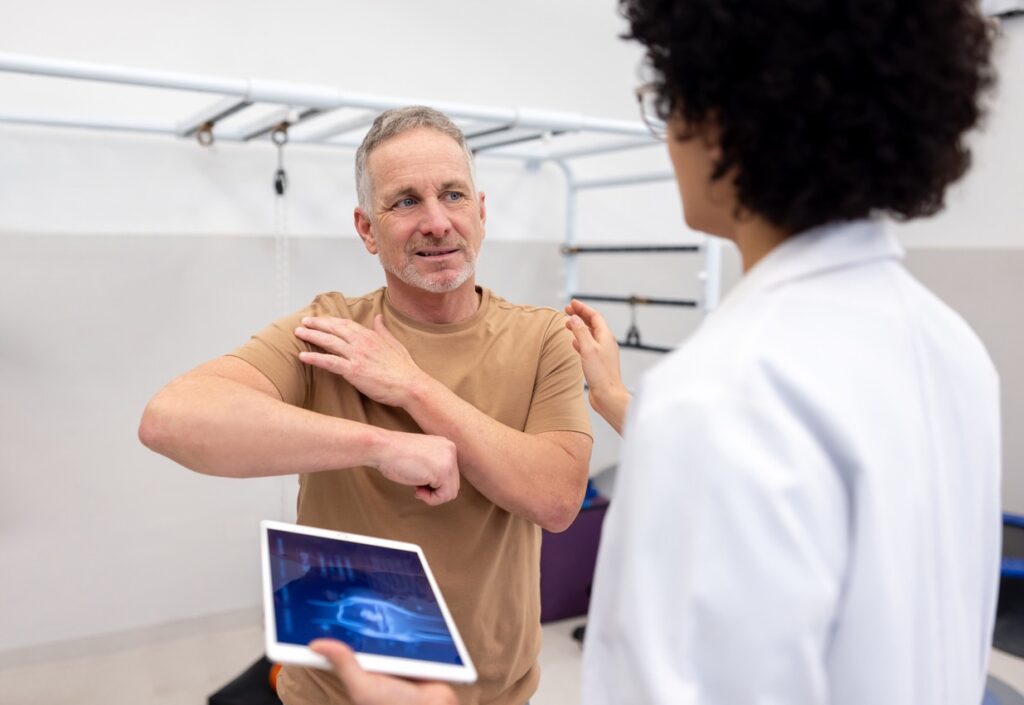
If you are experiencing persistent shoulder pain, weakness, or limited motion that is affecting your ability to train or complete daily activities, it is important to seek evaluation from an orthopedic specialist. At Peter Howard, M.D., we provide comprehensive shoulder evaluations and create personalized treatment plans designed to relieve pain, restore function, and support long-term joint health. Early evaluation can improve outcomes and help you return to an active lifestyle with greater comfort and confidence. Schedule an appointment with Peter Howard, M.D., today to get started on your personalized treatment plan.