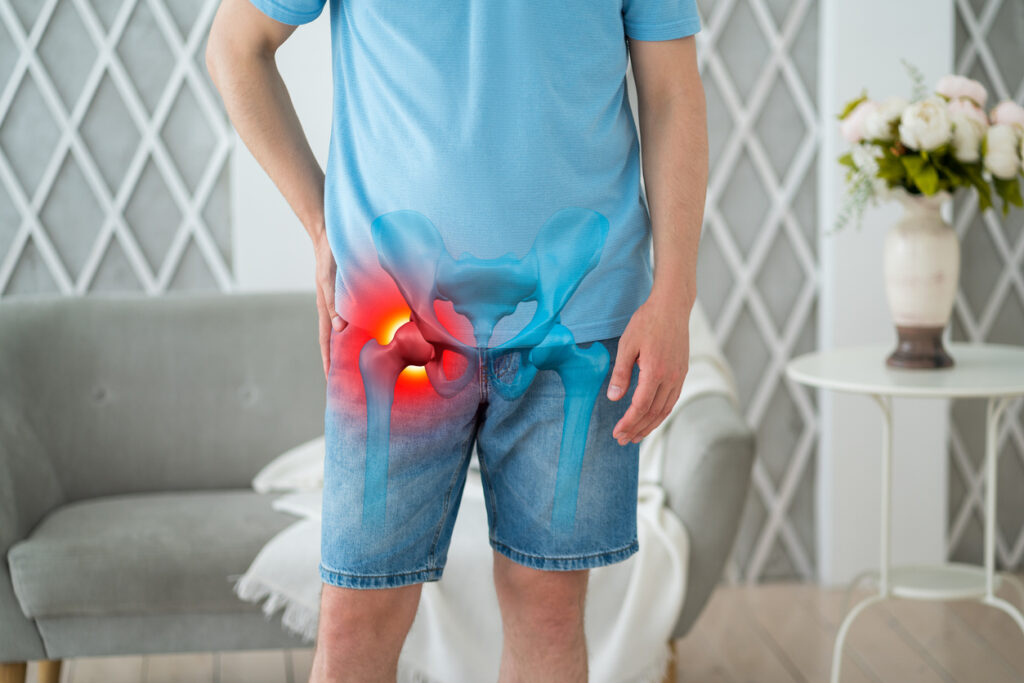

The start of a new year is the perfect time to reset, refocus, and take steps toward a healthier, more active you. If tendon pain or tendonitis has been holding you back, whether it’s in your elbow, shoulder, hip, or Achilles, shockwave therapy may be the solution that finally brings lasting relief. This innovative treatment is now available at Peter Howard, M.D., offering a noninvasive way to restart the healing process and help you move comfortably again.
Shockwave therapy has gained significant attention in orthopedic care for its ability to treat stubborn tendon conditions without injections or surgery. While rest, physical therapy, and activity modification typically help early-stage tendon irritation, chronic cases often require something more targeted. That’s where shockwave therapy comes in. By delivering focused acoustic waves directly into irritated or degenerated tendon tissue, the treatment sparks new healing activity and promotes stronger, healthier tissue over time.
If you’re starting the year hoping for less pain and more movement, here’s everything you need to know about shockwave therapy and how it may be the missing piece in your recovery plan.
What Is Shockwave Therapy?
Shockwave therapy is a noninvasive treatment that uses high-energy acoustic waves to stimulate the body’s natural repair mechanisms. These waves penetrate the skin and travel into injured soft tissue, where they:
- Increase blood flow to the damaged tendon.
- Break down disorganized or unhealthy tissue.
- Reduce sensitivity in irritated nerve endings.
- Trigger a biological response that encourages new, strong collagen formation.
Unlike medications that only mask pain, shockwave therapy addresses the underlying cause of many chronic tendon problems, poor healing. Most patients begin noticing improvements within just a few sessions as circulation increases and the tendon starts to remodel itself. Best of all, treatment requires no downtime, making it easy to fit into busy schedules.
Conditions Shockwave Therapy Can Treat
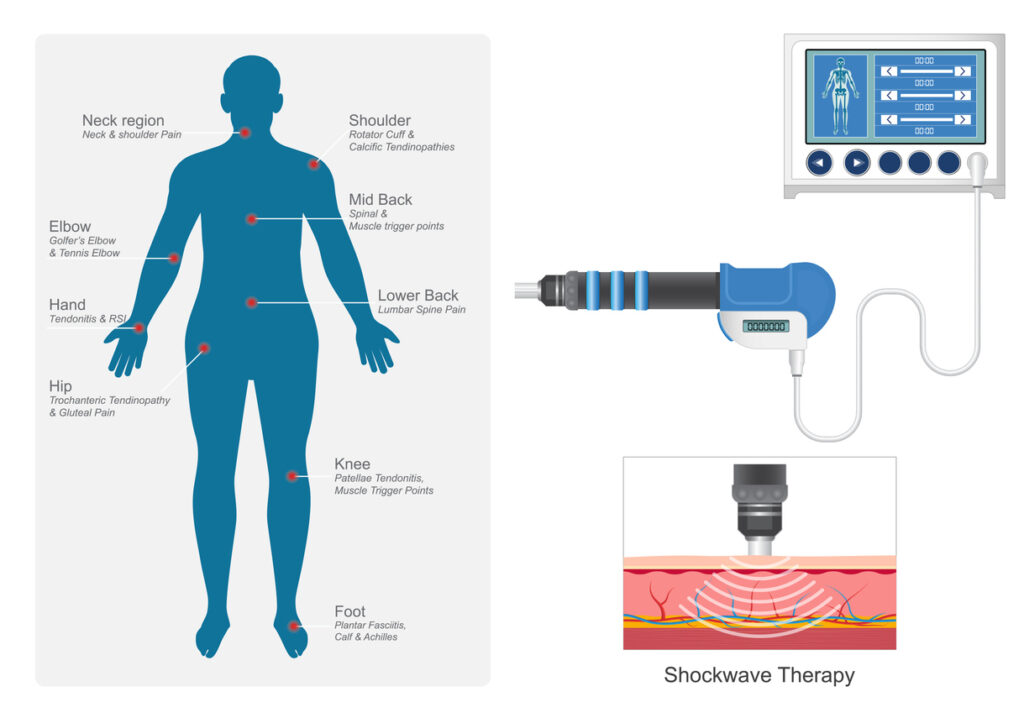
Dr. Peter Howard now offers shockwave therapy for common tendon injuries that often linger if untreated, including tennis elbow, Achilles tendonitis, rotator cuff tendonitis, and hip tendonitis. These tendons heal slowly due to limited blood flow, and shockwave therapy helps jumpstart the repair process and remodel tissue. For patients with chronic tendon irritation, it targets key problem areas such as:
Tennis Elbow (Lateral Epicondylitis):
Tennis elbow, also known as lateral epicondylitis, affects the outer elbow and often develops from repeated gripping, lifting, or long hours of computer use. Shockwave therapy helps stimulate healing in the overstressed extensor tendons, reducing pain and supporting recovery, especially for patients who haven’t found relief from braces, rest, or injections.
Achilles Tendonitis:
Achilles tendonitis, commonly referred to as an Achilles injury, is one of the most frequently injured tendons, especially in runners and people who spend long periods on their feet. When irritation becomes chronic, the tendon may thicken and weaken over time. Shockwave therapy improves circulation, breaks down unhealthy tendon tissue, and supports stronger, more flexible tendon fibers.
Rotator Cuff Tendonitis:
Rotator cuff tendonitis, often called shoulder tendonitis, can make reaching, lifting, and overhead movement uncomfortable. Shockwave therapy promotes healing by delivering targeted stimulation to the rotator cuff tendons, helping them recover from strain, overuse, or repetitive overhead motions.
Hip Tendonitis (Gluteal Tendinopathy):
Hip tendonitis, also known as gluteal tendinopathy, causes pain in the outer hip that can interfere with walking, sleeping, or climbing stairs. Shockwave therapy targets irritated gluteal tendons, helping reduce inflammation, improve tissue quality, and ease chronic hip discomfort.
What to Expect During a Shockwave Therapy Session
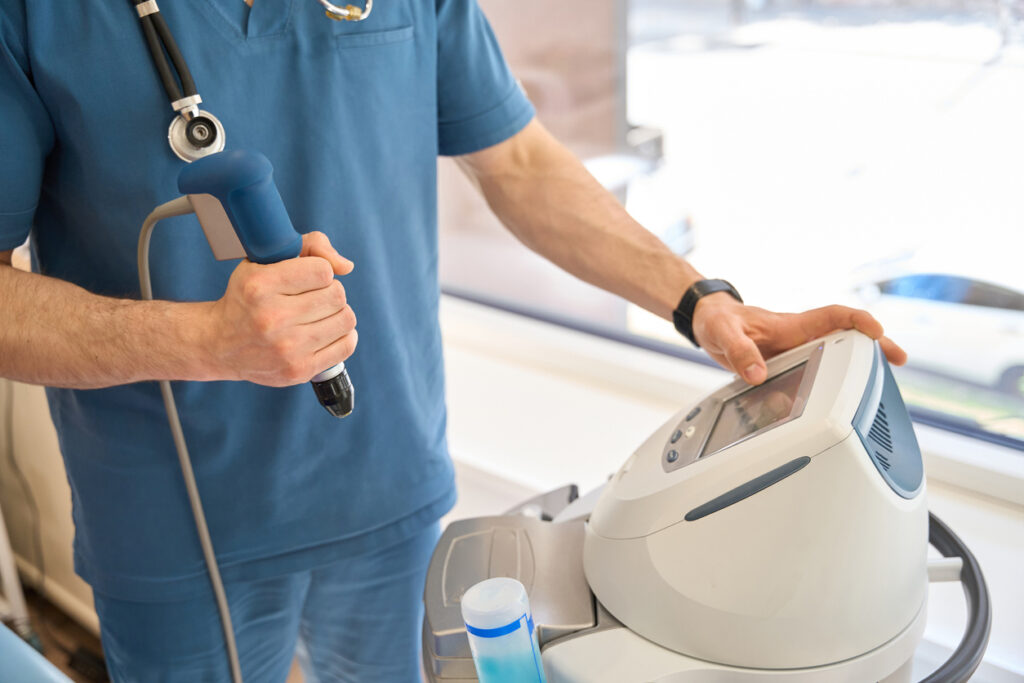
One of the reasons shockwave therapy has become so popular is its simplicity. Sessions are quick, typically lasting only 10-15 minutes, and require no anesthesia. You can return to work, exercise, and daily activities immediately afterward. A typical session involves:
- A brief evaluation of your symptoms and the tender area
- Application of a handheld device to the affected tendon
- Delivery of acoustic pulses that may feel like quick, tapping sensations
- Gradual reduction in discomfort as the tissue responds
Most patients require a series of treatments to achieve optimal results. At Peter Howard, M.D., shockwave therapy gives you a complete, structured plan to encourage tendon healing.
Why Patients Choose Shockwave Therapy
Many patients turn to shockwave therapy after months, sometimes years, of trying conservative treatments without significant relief. The therapy offers several key benefits:
- Stimulated Healing: Shockwave therapy jumpstarts a healing response in areas where the tendon has stopped repairing itself, making it ideal for chronic, stubborn pain.
- Reduced Inflammation: As blood flow improves and tissue begins to regenerate, inflammation gradually decreases, helping to calm ongoing discomfort.
- Improved Tissue Quality: The treatment helps reorganize dysfunctional tendon fibers, creating stronger, more resilient tissue that can better withstand stress.
- Noninvasive Care: No incisions or injections are required, and there is minimal discomfort during treatment, making it a convenient option for patients.
- Faster Recovery: Patients often experience improved mobility and decreased pain within weeks, supporting a quicker return to everyday activities and exercise.
Who Is a Good Candidate for Shockwave Therapy?
Shockwave therapy is typically recommended for individuals who:
- Have persistent or recurrent tendon pain.
- Have tried rest, physical therapy, or bracing with limited improvement.
- Want to avoid steroid injections or surgery.
- Looking for a long-term solution, not just short-term pain relief.
If your pain feels sharp, lingering, or disruptive when performing everyday movements, an evaluation can determine whether shockwave therapy may help.

Is Shockwave Therapy Safe?
Yes. Shockwave therapy has been used worldwide for many years and is considered safe and well-tolerated. Side effects are minimal and may include mild soreness or temporary redness, which typically fade quickly.
Because the treatment doesn’t involve medication or invasive procedures, it’s suitable for most adults dealing with chronic tendon irritation. Our team at Dr. Howard will review your medical history and symptoms to confirm whether you’re a good candidate for therapy.
Contact Us
If tendon pain has been holding you back, shockwave therapy offers a chance to reset, restore healthy tendon function, reduce discomfort, and support a stronger, more resilient recovery. At Peter Howard, M.D., our team evaluates your symptoms, explains your treatment options, and creates a personalized plan to help you get back to the activities you enjoy. Whether you’re dealing with tennis elbow, Achilles tendonitis, rotator cuff tendonitis, or hip tendonitis, Dr. Howard can determine if shockwave therapy is the right next step for you. Book an appointment today to learn more or start treatment and take the first step toward stronger, healthier tendons and improved mobility.