
Achilles tendonitis is a common overuse injury affecting the large tendon that connects the calf muscles to the heel. It develops when the tendon becomes irritated, inflamed, or starts to break down from repetitive stress, often caused by running, jumping, or sudden increases in activity. While athletes are frequently affected, everyday activities like walking, stair climbing, or wearing improper footwear can also contribute. Below is a detailed breakdown of the condition and how treatments, including shockwave therapy, can help you recover safely and protect your tendon health.
What Causes Achilles Tendonitis
Achilles tendonitis occurs when the tendon experiences repeated stress faster than it can repair itself. Over time, this can lead to irritation, small tears, and tendon degeneration. Common contributors include:
- Repetitive High-Impact Activities: Activities such as running, jumping, or sports that involve sudden bursts of movement can overload the tendon. This repeated impact can gradually weaken the tendon fibers.
- Sudden Increase in Activity: A rapid jump in exercise intensity or duration gives the tendon little time to adapt, making it more susceptible to injury.
- Tight Calf Muscles: Limited flexibility in the calf increases tension on the Achilles tendon, raising the risk of irritation.
- Improper Footwear or Surfaces: Shoes that lack proper support or running on hard surfaces can strain the tendon over time.
- Biomechanical Issues: Flat feet, overpronation, or abnormal gait patterns can place extra stress on the tendon with every step.
Symptoms of Achilles Tendonitis
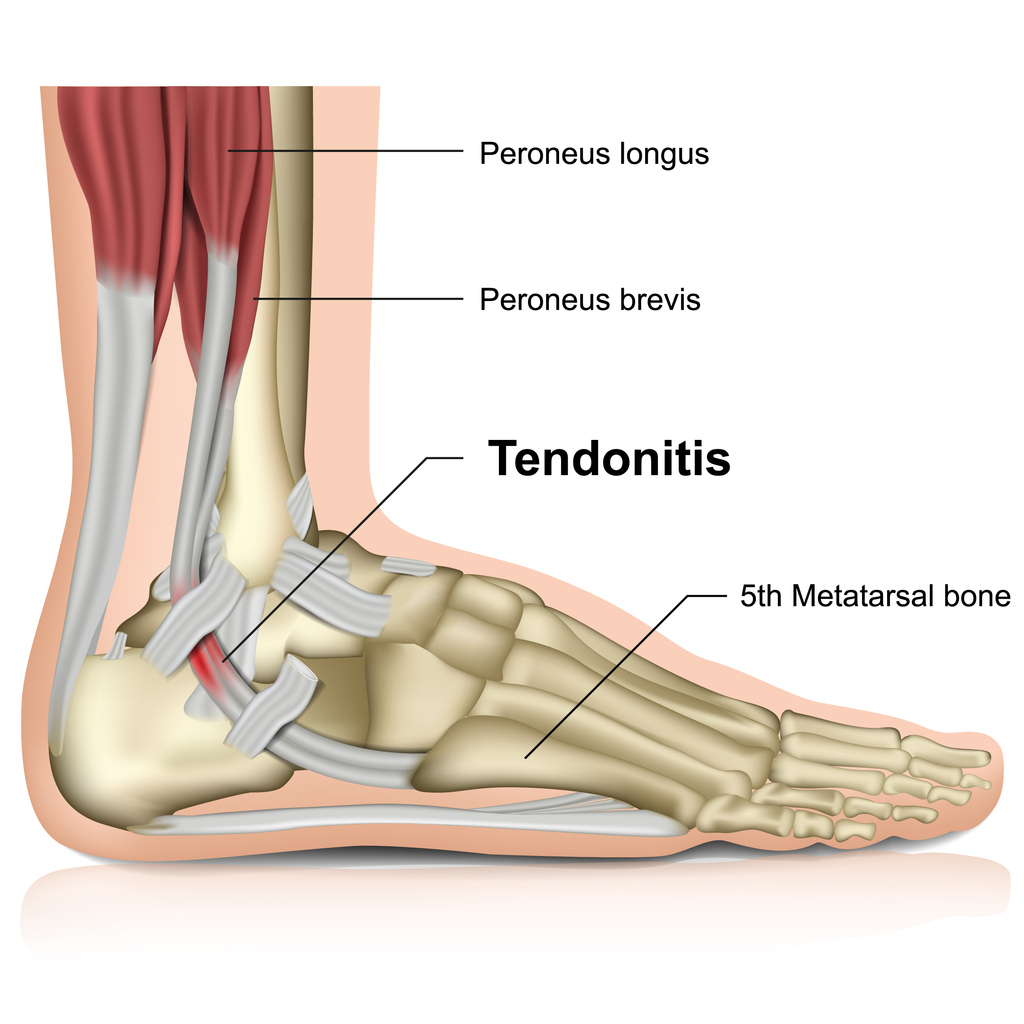
Symptoms of Achilles tendonitis often develop gradually and can worsen with repeated stress. Pain may start mild during activity but can become more noticeable and interfere with daily movements. Common signs include:
- Heel or Tendon Pain: Pain or tenderness along the back of the heel or lower calf, often worsening with activity. This discomfort can make simple movements, like walking or standing on tiptoe, uncomfortable.
- Stiffness: Tendon stiffness, especially in the morning or after periods of rest, that improves with movement. The stiffness may make it difficult to start exercising or fully extend the ankle initially.
- Swelling or Thickening: Mild swelling or a noticeable thickening of the tendon in the affected area. This can sometimes create a visible bump or make the tendon feel firm to the touch.
- Weakness: Difficulty pushing off with the foot while walking, running, or climbing stairs. This can reduce your ability to perform athletic activities or even daily tasks that require ankle strength.
- Pain With Activity: Discomfort that increases during running, jumping, or intense exercise sessions. Over time, this pain may limit your endurance and make it harder to maintain your usual activity levels.
How Achilles Tendonitis Is Diagnosed
Diagnosing Achilles tendonitis typically involves a hands-on evaluation to pinpoint exactly where the tendon is irritated and to understand how your movement patterns or daily activities may be contributing to the problem. The team carefully assesses the tendon, checks flexibility and strength, and reviews your activity levels, footwear, and exercise habits to determine what might be placing stress on the Achilles. In some cases, additional tests may be used to rule out other conditions that can mimic tendon pain. This thorough approach helps confirm the source of discomfort and ensures a personalized treatment plan tailored to your specific needs, supporting a safer and more effective recovery.
Treatment Options
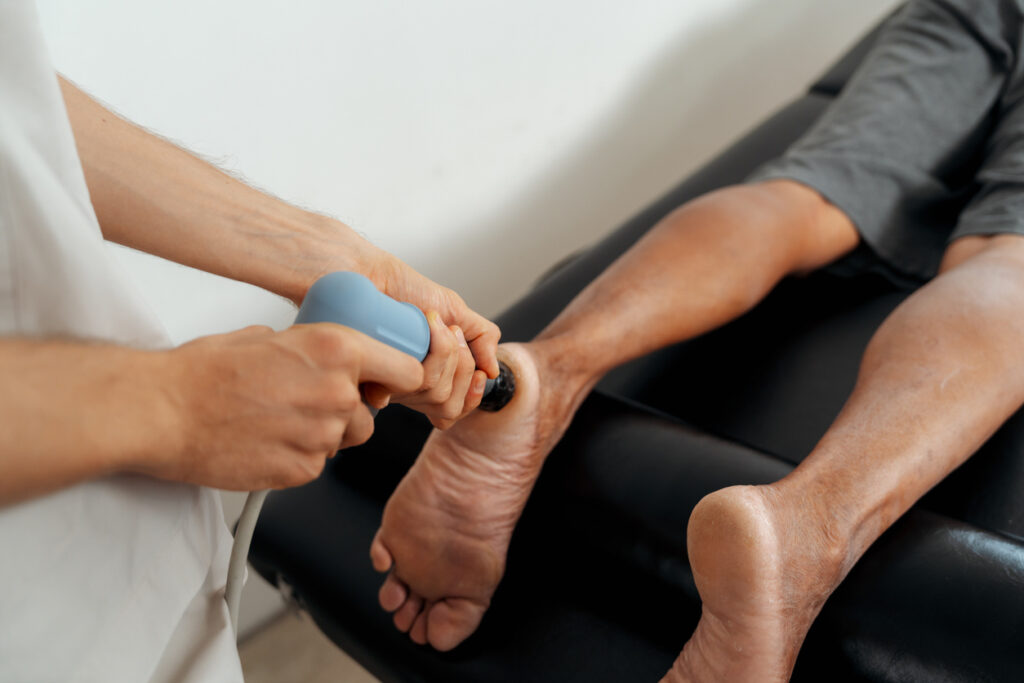
Most people improve with a structured treatment plan designed to reduce stress on the Achilles tendon, restore strength, and improve flexibility. Treatment often begins with activity modification, such as adjusting running, jumping, or walking habits to give the tendon time to heal. Targeted stretching and strengthening exercises help rebuild tendon resilience and improve calf flexibility, while supportive footwear or orthotics can correct biomechanical issues and reduce overload. Physical therapy may also be recommended to improve movement patterns, address muscle imbalances, and gradually strengthen the tendon. For persistent or chronic cases, shockwave therapy provides a noninvasive option to stimulate healing and reduce discomfort, helping patients return to activity more safely and comfortably.
Introducing Shockwave Therapy for Healing Achilles Tendonitis
Shockwave therapy is now available in Dr. Howard’s office as a focused, noninvasive option for patients with stubborn Achilles tendon pain. The therapy delivers acoustic waves directly to the affected tendon, helping to jumpstart the healing process and improve tissue quality. Key benefits of shockwave therapy include:
- Improved Circulation: Stimulates blood flow to support the tendon’s natural repair process. Increased circulation helps deliver oxygen and nutrients essential for healing damaged tendon tissue.
- Tissue Remodeling: Breaks down unhealthy tendon fibers and encourages healthier tissue formation. Over time, this can improve the tendon’s strength, flexibility, and overall function.
- Pain Reduction: Calms irritated nerve endings to decrease discomfort. Many patients notice a gradual reduction in soreness, making daily activities easier and more comfortable.
- Accelerated Healing Response: Encourages the tendon to repair and strengthen more effectively. This can help shorten recovery time and reduce the risk of long-term or recurring injuries.
- Noninvasive Relief: Provides an alternative to injections or surgery, with minimal downtime. Patients can typically return to normal activities shortly after treatment while still promoting tendon recovery.

When to Seek Care
If your Achilles pain persists for more than a few weeks, worsens with activity, or makes walking, running, or other daily movements difficult, it’s important to seek an early evaluation. Prompt attention can prevent further tendon damage, reduce the risk of chronic pain, and help you avoid complications that could limit your mobility long-term. Early assessment also allows for a more personalized treatment plan, targeting the underlying causes of tendon irritation and supporting a safer, faster recovery so you can return to the activities you enjoy with greater confidence and comfort.
Contact Us
If you’re experiencing symptoms of Achilles tendonitis or are curious whether shockwave therapy could be a helpful option for your condition, our team at Peter Howard, M.D. is here to guide you every step of the way. We provide thorough, personalized care to evaluate your tendon, identify contributing factors, and recommend the most effective treatment plan tailored to your needs. From activity modification and physical therapy to advanced options like shockwave therapy, we work with you to restore strength, flexibility, and function. Contact us today to schedule an appointment and take the first step toward stronger, healthier tendons and pain-free movement.