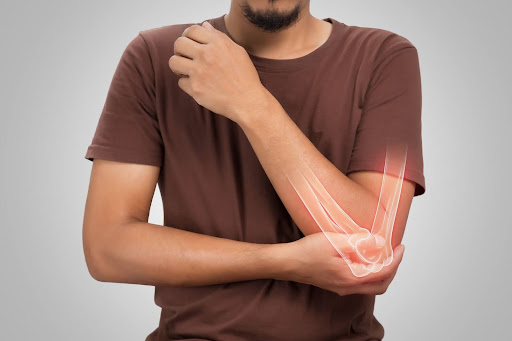

Lateral epicondylitis, better known as tennis elbow, is one of the most common tendon injuries affecting the outer part of the elbow. It develops when the tendons responsible for wrist and finger extension become overloaded, often from repeated gripping, lifting, or twisting. While athletes can develop it, most cases occur in everyday settings, making it an issue that affects people across all activity levels. Below is a clear, specific breakdown of the condition and how treatments, including shockwave therapy, can help so that you can protect your elbow health.
What Causes Tennis Elbow
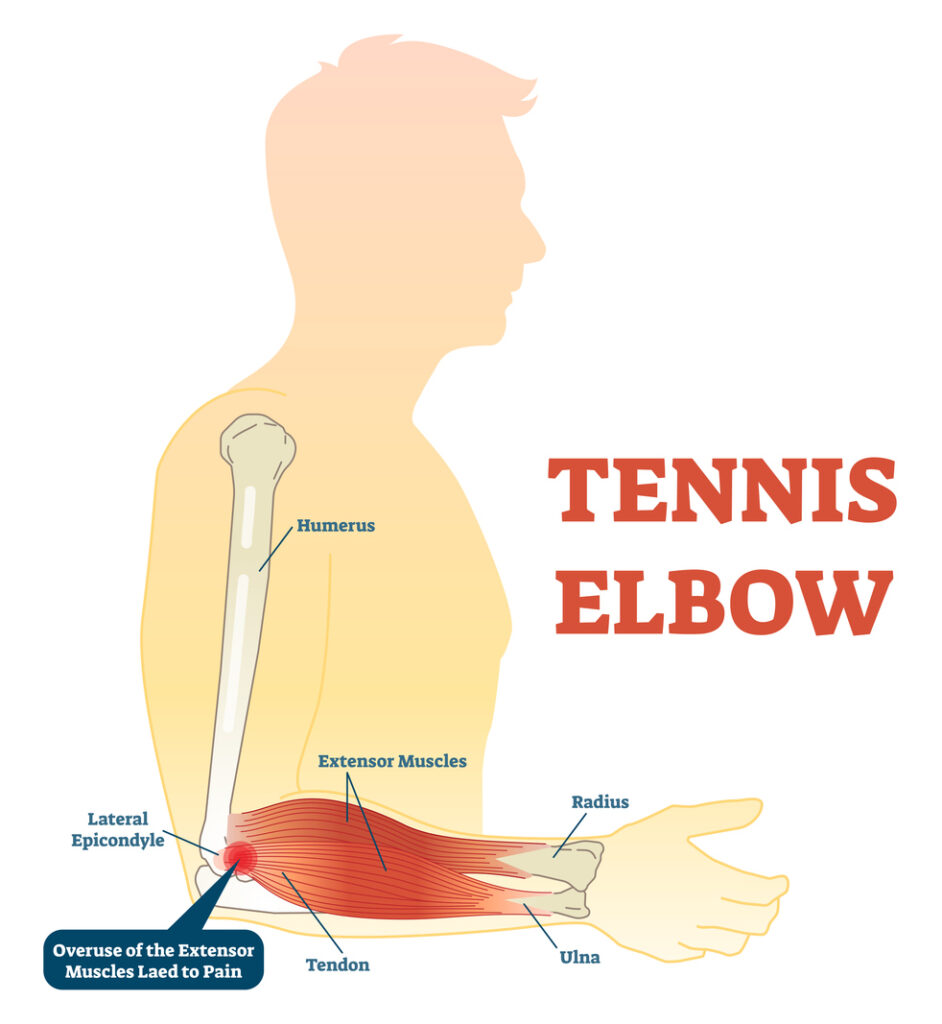
Tennis elbow occurs when the extensor carpi radialis brevis (ECRB) tendon experiences repeated stress. Over time, this leads to irritation, microtears, and changes in the tendon structure. This injury is commonly triggered by repeated movements. Some of the most frequent contributors include:
- Repetitive Gripping: Regular use of weights, tools, or racquets can strain the tendon. Over time, this continuous stress weakens the tendon fibers and makes them more prone to injury.
- Frequent Lifting: Lifting objects with the palm facing down increases tension on the outer elbow. This repeated motion forces the tendon to work harder, which can eventually lead to irritation.
- Wrist Extension Activities: Typing, mouse use, and instrument playing can overload the forearm muscles. These activities keep the wrist in a lifted position, placing ongoing pressure on the tendon.
- Poor Movement Mechanics: Faulty technique during exercise or work tasks adds extra stress. Small form errors repeated daily can gradually overload the tendon without you realizing it.
- Sudden Workload Increases: A quick jump in activity often irritates the tendon before it adapts. This rapid change gives the tissue little time to adjust, making it more vulnerable to injury.
Symptoms of Tennis Elbow
Symptoms usually develop gradually and progress as the tendon becomes weaker. People often notice discomfort during daily activities even before experiencing severe pain.
These symptoms tend to follow a recognizable pattern:
- Outer Elbow Pain: A sharp or burning ache along the outside of the joint. This pain often worsens with gripping or lifting motions.
- Radiating Discomfort: Pain traveling down the forearm toward the wrist. This can make simple tasks like carrying a bag or opening a door uncomfortable.
- Grip Weakness: Difficulty holding cups, bags, or shaking hands. Many people notice that everyday objects feel heavier or harder to grasp.
- Morning Stiffness: Tightness or soreness after waking up. The tendon tends to feel more rigid before it warms up during the day.
- Pain With Certain Motions: Increased discomfort when lifting, twisting jars, or typing for long periods. These activities repeatedly activate the irritated tendon.
How Tennis Elbow Is Diagnosed
Diagnosing tennis elbow typically involves a hands-on evaluation to understand where the tendon is irritated and how the condition is affecting your movement. The elbow and forearm are assessed for areas of tenderness, how the joint responds to certain motions, and your daily activities or habits that might be contributing to your symptoms are reviewed. Other conditions that can mimic tendon-related pain may also be ruled out. This straightforward approach helps confirm the source of discomfort and guides an effective treatment plan.

Treatment Options
Most people improve with a structured treatment plan aimed at reducing strain, rebuilding the tendon, and improving overall forearm mechanics. This often includes activity modification to lessen the stress placed on the tendon during daily tasks, along with stretching and eccentric exercises that help strengthen and restore the tendon over time. Forearm bracing may be recommended to temporarily offload the tendon during repetitive activities, while physical therapy can address movement patterns and muscle imbalances that contribute to ongoing discomfort. Cold therapy is also commonly used after activity to ease soreness and calm flare-ups as the tendon heals.
Introducing Shockwave Therapy for Healing Tennis Elbow
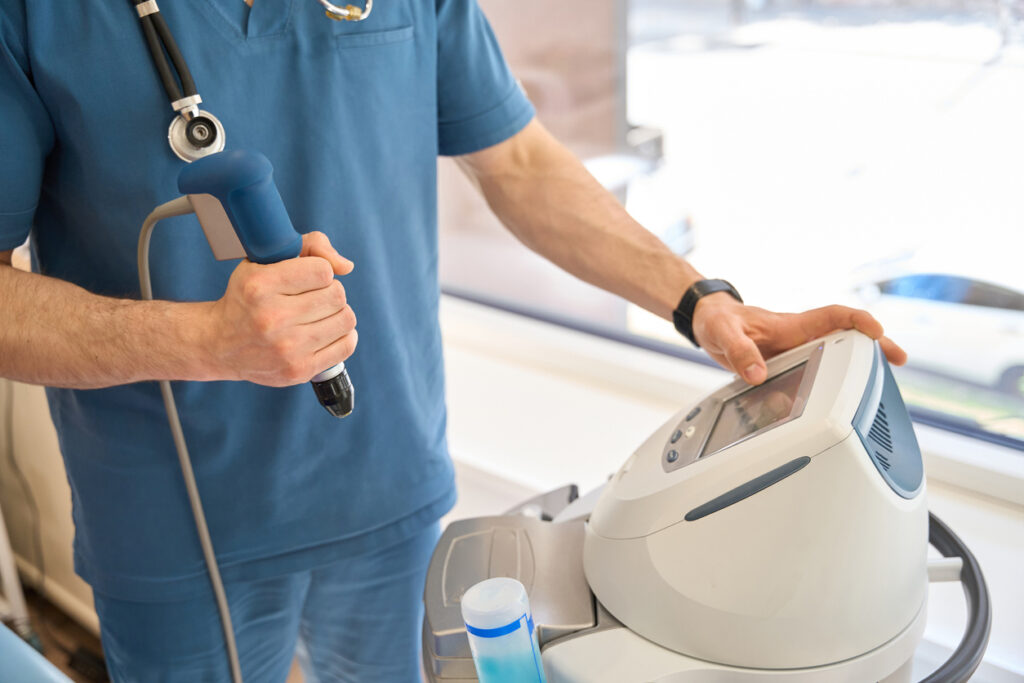
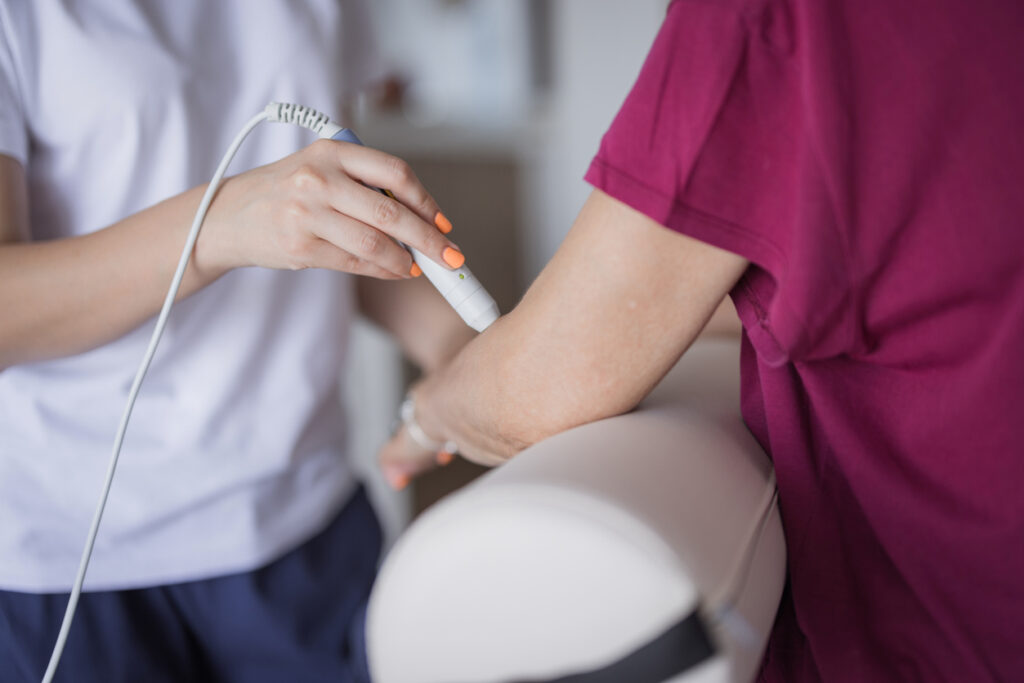
Shockwave therapy is now available in Dr. Howard’s office as a focused, noninvasive option for patients with stubborn or chronic tendon pain, including tennis elbow, Achilles tendonitis, rotator cuff tendonitis, and hip tendonitis. The therapy delivers acoustic waves directly to the affected tendon, helping to jumpstart the healing process and improve tissue quality. Key benefits of shockwave therapy include:
- Improved Circulation: Stimulates blood flow and new vessel formation. Better circulation supports the tendon’s natural repair process.
- Tissue Remodeling: Breaks down unhealthy, thickened tendon fibers. This helps restore healthier, more flexible tissue over time.
- Pain Reduction: Calms overactive nerve endings that contribute to chronic discomfort. Many patients notice decreased pain shortly after beginning treatment.
- Accelerated Healing Response: Encourages the tendon to repair and strengthen. This makes it especially useful for long-standing or stubborn cases.
- Noninvasive Relief: Provides an alternative to injections or more aggressive treatments. Most patients tolerate the procedure well and return to normal activities the same day.
When to Seek Care
If your elbow pain persists for more than a few weeks, affects your ability to grip objects, or makes everyday tasks like lifting, typing, or carrying items uncomfortable, it’s important to seek an early evaluation. Addressing tennis elbow sooner rather than later can prevent the tendon from weakening further, reduce the risk of chronic pain, and set you on the path to regaining full strength and function in your arm. With timely care, you can return to your normal activities with less discomfort and support long-term tendon health.
Contact Us
If you’re experiencing symptoms of tennis elbow or are curious whether shockwave therapy could help, our team at Peter Howard, M.D. is here to guide you every step of the way. We provide personalized care to evaluate your condition, recommend the most effective treatment plan, and support you as you work toward recovery. Contact us today to schedule an appointment and take the first step toward easier movement, less pain, and stronger, healthier tendons.